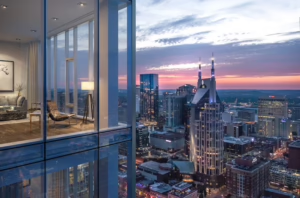
3 biggest Nashville Real Estate Stories: September 13, 2026
A $6.56 million Ritz-Carlton sales gallery for 140 Gulch condos, Oracle's final East Bank site plan for 23 buildings behind a fence,...
Nashville new construction and development activity is concentrated in the East Bank redevelopment district, Nashville Yards, the Gulch, SoBro, Wedgewood-Houston, and the North Nashville corridor. This category archives analysis of major proposed and under-construction projects, condo development pre-sales, Metro Nashville zoning and entitlement activity, and the demand patterns driving the next 5-10 years of supply.
New construction in Nashville moves on multi-year cycles. Entitlement, financing, construction, and absorption phases each take 18-36 months. Tracking proposed development pipeline matters more than tracking current inventory because today’s groundbreaking sets next year’s delivery, which sets the following year’s available supply for buyers and investors.
This category covers projects including the East Bank Stadium District, Nashville Yards (Five City Block redevelopment including the AllianceBernstein HQ and the Emory tower), Pullman Gulch Union, Four Seasons Private Residences, Pendry Residences Nashville, Fallon EastPoint, and the Fisk University Quantum Leap master plan. For active high-rise proposed condo inventory, see the Proposed Condos page. For broader market context, see the Market Analysis category.
Grant Hammond is a Tennessee-licensed broker at Compass RE with 25 years of Nashville real estate experience. Development tracking on this site draws on active transaction experience including more than 350 downtown high-rise condo closings across 40+ buildings and direct broker representation in pre-construction sales for major Nashville towers.