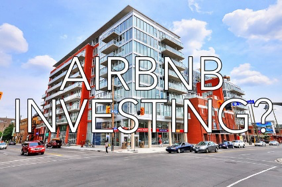
 Nashville Airbnb properties for sale operate within one of the most structured short term rental markets in the United States. Investors evaluating Nashville STR investment opportunities must understand zoning classification, NOOSTR eligibility, permit durability, and documented income performance before underwriting projected returns across Davidson County. The information on this page reflects 2026 Metro Nashville permit requirements and current market conditions.
Grant Hammond specializes in Nashville short term rental investment properties and has completed more than 550 Nashville Airbnb transactions. Across his career he has represented more than $1 billion in real estate sales volume and has participated in the initial sales of several purpose built STR communities across the city.
In addition to advising investors, Grant is also an active Airbnb owner and currently owns more than 20 short term rental properties. Earlier in his investment career he personally managed his own Airbnb properties, providing firsthand insight into the operational realities of STR ownership before transitioning those properties to professional management.
This page provides active Nashville Airbnb listings, zoning clarity, regulatory guidance, and resale positioning insight for investors navigating the Nashville short term rental market. For deeper market analysis, review the Nashville Airbnb Market Report or explore our Nashville Airbnb investment insights.
Active Nashville Airbnb and STR Listings
Below are active Nashville Airbnb properties for sale, including short term rental eligible homes, condos, and purpose built STR developments located within qualifying zoning districts.
Alora Nashville – 1030 Jefferson Street near Downtown (25 luxury Airbnb townhomes)
4br * 4.5ba * 2,218 sq ft * 2 car, roof top deck townhomes with skyline views, $1,225,000, 4 of 6 Units
4br * 4.5ba * 2,231 sq ft * furnished roof top deck townhomes with skyline views, $1,325,000, 3 of 8 Units
Grant Hammond, Compass RE call/text 615-945-7123
Lucy Nashville – 99 Lucile Street near Oracle (25 luxury Airbnb townhomes)
4br * 3.5ba * 2,093 sq ft * 2 car, furnished roof top deck townhomes with skyline views + hot tub, $975,000, 8 of 15 Units
3br * 3ba * 2,090 sq ft * 2 car, furnished roof top deck townhomes with skyline views + hot tub, $949,900, 3 of 10 Units
Grant Hammond, Compass RE call/text 615-945-7123
Vistas at Katie Hill – 1305 Baptist World Center Drive next to Oracle campus (11 luxury Airbnb townhomes)
4br * 4ba * 2,112 sq ft * 2 car garage, roof top deck townhomes with hot tubs, $1,200,000, 2 of 6 Units
4br * 4ba * 2,003 sq ft * roof top deck townhomes with hot tubs, $1,150,000, 1 of 4 Units
Grant Hammond, Compass RE call/text 615-945-7123
Revel – 605 51st Avenue North in The Nations (2 luxury furnished Airbnb townhomes)
4br * 3.5ba * 2,124 sq ft * A+ professionally furnished, roof top deck townhomes, $985,000, 1 of 6 Units
Grant Hammond, Compass RE call/text 615-945-7123
Musica – 1010 18th Avenue S on Music Row next to Vanderbilt (13 luxury Airbnb townhomes)
4br * 5.5ba * 2,301 sq ft * dedicated parking, roof top deck townhomes, $1,395,000, 2 left of 6
4br * 4ba * 1,998 sq ft * dedicated parking, roof top deck townhomes, $TBD, 5 of 7 Units
Grant Hammond, Compass RE call/text 615-945-7123
** We announce new Airbnb non owner occupied short term rental developments (NOO STRs) here **
These announcements will be made to our VIP presale list prior to the general public.
To get on this list, email: Airbnb@GrantHammond.com
Key Considerations for Nashville Airbnb Buyers
Zoning eligibility is the foundational underwriting variable for any Nashville Airbnb investment. A property must qualify for a non owner occupied short term rental permit under current Metro Nashville zoning rules before revenue projections have any validity.
NOOSTR classification determines whether an investor can operate a full time rental without occupying the property as a primary residence. Properties that qualify are significantly more flexible and command premium pricing at resale.
Permit transfer limitations are a critical resale consideration. Nashville STR permits do not automatically transfer upon sale, meaning the next buyer must reapply and requalify under zoning rules that may have changed since the original permit was issued.
Income documentation is the primary driver of pricing outcomes for operating Airbnbs. Sellers with verified Airbnb revenue history, occupancy data, and management records achieve stronger sale prices and shorter marketing periods than sellers without documented performance.
Nashville Airbnb Investment Snapshot 2026
Short term rentals are legal in Nashville under two permit classifications: owner occupied and non owner occupied. New non owner occupied permits are restricted to specific commercial, mixed use, DTC, and certain approved specific plan districts. Most low density residential zoning does not qualify for new investor permits.
All STR operators must obtain a permit from Metro Nashville Codes before listing on Airbnb or other platforms. Permits require annual renewal and do not automatically transfer upon sale. Zoning eligibility determines long term investment durability before projected revenue assumptions matter.
As of 2026 Metro Nashville has issued approximately 3,700 active short term rental permits across Davidson County. New non owner occupied permits are restricted to qualifying commercial and mixed use zoning districts following regulatory changes enacted in prior years. Investors evaluating new acquisitions should treat zoning verification as a pre-offer requirement rather than a due diligence item.
Understanding Nashville STR Zoning and NOOSTR Eligibility
Zoning classification controls whether a property can qualify for a non owner occupied short term rental permit.
Eligibility must be verified at the parcel level through Metro Nashville. Even when zoning permits STR use, homeowners association bylaws or condominium declarations may prohibit short term rentals.
Investors should confirm:
• Zoning district classification
• Overlay restrictions
• Specific Plan limitations
• HOA compliance standards
Regulatory clarity is essential to long term viability.
Owner Occupied vs Non Owner Occupied STR in Nashville
Understanding permit structure is essential before acquisition.
| Feature | Owner Occupied STR | Non Owner Occupied STR |
|---|---|---|
| Primary Residence Requirement | Must be primary residence | No primary residence requirement |
| Permit Availability | Allowed in more zoning districts | Restricted to specific zoning districts |
| Investment Flexibility | Limited to partial rental | Full time rental permitted |
| Capital Requirements | Often lower | Typically higher acquisition costs |
| Regulatory Scrutiny | Active permit renewal required | Active permit renewal required |
| Best For | Homeowners offsetting costs | Full scale Airbnb investors |
Most traditional residential zoning districts do not qualify for new non owner occupied permits. Investors should verify eligibility at the parcel level before making any acquisition decision.
Recently Sold Nashville Airbnbs and Resale Trends
Understanding transaction history is essential when underwriting Nashville STR investments. Recently sold Nashville Airbnbs demonstrate how income documentation, zoning durability, and neighborhood demand influence pricing outcomes.
Review our recently sold Nashville Airbnbs to evaluate resale positioning across Davidson County.
Where Nashville Airbnb Investments Perform Best
Short term rental performance in Nashville depends on walkability, event proximity, zoning eligibility, and supply concentration within specific corridors.
Downtown Nashville
Downtown Nashville benefits from direct proximity to Broadway, the Music City Center convention complex, Bridgestone Arena, and Nissan Stadium, along with a dense hospitality infrastructure that supports consistent guest demand. Planned upgrades tied to the Nissan Stadium redevelopment may further influence event driven lodging demand in the urban core. Much of the STR eligible inventory is located within commercial or mixed use zoning districts where non owner occupied permits may qualify. Acquisition costs are typically higher, but strong nightly rate potential and year round event activity can support stable revenue performance.
Germantown
Germantown attracts guests seeking walkability, historic character, and restaurant density just north of Downtown Nashville. STR inventory is limited relative to other corridors, which can support pricing stability when zoning eligibility exists. Investors must verify parcel level zoning because not all properties in Germantown qualify for non owner occupied permits.
River North and Oracle Corridor
The River North corridor near the Oracle campus continues to evolve through mixed use development and increased corporate presence. Demand drivers include proximity to Downtown Nashville and anticipated long term employment growth tied to Oracle and surrounding high density development. Zoning varies by parcel, and investors should evaluate both permit eligibility and development pipeline risk as new supply enters the market. In early 2026 the Oracle campus in the River North development officially broke ground. The Oracle campus is expected to bring approximately 8,500 jobs to the River North corridor over the coming decade, a demand driver that distinguishes this corridor from other emerging Nashville STR markets.
East Nashville
East Nashville draws visitors seeking a local neighborhood experience with independent retail, restaurants, and music venues. Demand remains strong, but zoning eligibility varies significantly by sub area, and many residential districts do not allow new non owner occupied permits. Performance depends heavily on securing a property in an eligible zoning classification.
The Nations
The Nations attracts investors due to proximity to Downtown Nashville and clusters of purpose built short term rental communities. Some developments are located in zoning districts that allow non owner occupied permits, which has concentrated investor activity in specific pockets. Supply can expand quickly when new townhome projects deliver, so acquisition price discipline remains important.
Music Row
Music Row benefits from proximity to Midtown, Vanderbilt University, and Downtown Nashville while maintaining a lower tourism density than Broadway or SoBro. Demand drivers include business travel tied to the music industry, healthcare institutions, and nearby corporate offices, along with leisure visitors seeking walkable access without being directly in the entertainment core. Zoning varies significantly across Music Row, with certain commercial and mixed use parcels potentially eligible for non owner occupied short term rental permits, while surrounding residential blocks may not qualify. Inventory remains more limited than Downtown corridors, which can support pricing stability when zoning eligibility exists, but investors must verify parcel level classification before underwriting Airbnb revenue projections.
How Nashville Airbnb Investments Generate Revenue
Nashville Airbnb revenue is driven by a combination of tourism seasonality, event calendar density, property amenity profile, and management efficiency. The city hosts approximately 17 million annual visitors, supporting year round baseline demand supplemented by peak periods tied to major concerts, sporting events, conventions, and bachelorette and bachelor party travel.
The dominant revenue generating property type in Nashville is the 4 bedroom 4 bathroom townhome with a rooftop deck. These properties command the strongest nightly rates and occupancy levels because they accommodate group travel, which drives the majority of Nashville’s short term rental demand.
Acquisition price relative to sustainable nightly rate is the core underwriting variable. Investors should model conservative occupancy assumptions of 60% to 70% and verify management fee structures before projecting net operating income.
Risks Nashville Airbnb Investors Must Consider
Metro Council policy changes represent the most significant regulatory risk for Nashville Airbnb investors. Zoning amendments, permit cap legislation, or occupancy tax changes can materially alter the investment thesis for properties that appeared fully compliant at acquisition.
Permit transfer limitations create resale complexity. Because Nashville STR permits do not convey with title, the next buyer faces requalification risk under zoning conditions that may differ from those in place when the original permit was issued.
Insurance cost volatility has increased meaningfully since 2022. STR-specific insurance products carry higher premiums than standard homeowner policies and some insurers have restricted coverage in high density urban markets.
Concentrated supply in purpose built STR corridors can compress nightly rates when multiple developments deliver simultaneously. Investors in The Nations and River North corridors should monitor development pipeline activity before acquiring.
Interest rate volatility directly affects leveraged returns. Investors using DSCR loans or conventional financing should stress test projected returns at mortgage rates 100 to 150 basis points above current levels.
Considering Selling a Nashville STR?
Owners evaluating exit strategy should understand how income documentation, zoning durability, and permit verification influence resale liquidity. Learn more about how to sell my Nashville Airbnb using a structured income driven strategy.
Frequently Asked Questions About Nashville Airbnbs
Is Airbnb legal in Nashville?
Yes. Airbnb and other short term rentals are legal in Nashville if the property qualifies under the correct zoning classification and the operator obtains a permit from Metro Nashville Codes. Non owner occupied permits are restricted to specific non residential or mixed use districts. Operators must also meet insurance, tax, and operational compliance requirements to remain in good standing.
What zoning allows non owner occupied short term rentals in Nashville?
New non owner occupied short term rental permits are allowed only in certain non residential or mixed use zoning districts defined by Metro Nashville. Traditional low density residential zones such as R and RS generally do not qualify for new investor permits. Some Planned Unit Developments and Specific Plan districts may allow STR use if explicitly permitted. Investors must verify parcel level zoning eligibility before underwriting projected Airbnb revenue.
Do Nashville STR permits transfer when a property sells?
No. Short term rental permits in Nashville do not automatically transfer with a change of ownership. When a property sells, the new owner must apply for a new permit and confirm the property still qualifies under current zoning rules. Because zoning eligibility controls whether a non owner occupied permit can be issued, investors should verify permit availability and compliance requirements before closing on any Airbnb investment property.
How often must a Nashville short term rental permit be renewed?
Nashville short term rental permits must be renewed annually through Metro Nashville Codes. Renewal requires proof of liability insurance, tax compliance, and continued adherence to operational standards. Failure to renew on time or maintain compliance with occupancy limits and safety regulations can result in permit suspension or revocation. Investors should treat annual renewal as a core part of ongoing STR asset management.
What operational rules apply to Nashville Airbnb properties?
Permitted STR operators in Nashville must comply with building and fire safety codes, maintain a responsible local contact available 24 hours per day within 25 miles, and post their permit number in all online listings. Operators must also observe occupancy limits, avoid simultaneous rental contracts, and properly collect and remit applicable sales and hotel occupancy taxes. Non compliance can lead to enforcement action or permit revocation.
What neighborhoods are strongest for Airbnb investing in Nashville?
Airbnb investment performance in Nashville is typically strongest in walkable urban neighborhoods near Downtown, SoBro, The Nations, Germantown, East Nashville, and emerging River North corridors. Proximity to Broadway, major event venues, the convention center, and corporate campuses supports consistent guest demand. However, zoning eligibility varies by parcel, so investors must confirm non owner occupied permit availability before purchasing.
Are Nashville Airbnb properties profitable?
Nashville Airbnb properties can be profitable when acquisition price, financing structure, zoning eligibility, and management efficiency align with local demand patterns. Revenue is influenced by tourism seasonality, event calendars, property amenities, and neighborhood walkability. Because regulatory compliance and permit eligibility determine long term viability, investors should evaluate zoning and policy risk alongside projected nightly rates and occupancy assumptions.
What happens if Nashville changes short term rental regulations?
If Metro Nashville changes short term rental regulations, permit eligibility, renewal requirements, or operational standards may be affected. Regulatory updates can alter zoning eligibility for new non owner occupied permits, modify renewal conditions, or impose additional compliance requirements. Existing permit holders may be grandfathered under certain rules, but this is not guaranteed. Investors should monitor Metro Council legislation and zoning amendments because policy changes can directly impact long term revenue assumptions and resale strategy.
How do I verify if a Nashville property qualifies for an STR permit?
To verify STR eligibility, investors must confirm the property’s zoning classification through Metro Nashville and determine whether non owner occupied permits are allowed in that district. Eligibility must be evaluated at the individual parcel level, not just by neighborhood. Buyers should also confirm there are no overlay restrictions, Specific Plan limitations, or homeowners association rules that prohibit short term rentals. Permit qualification should be verified before closing because permits do not automatically transfer upon sale.
 IRS Extends 2026 Tax Deadline for 23 Tennessee Counties
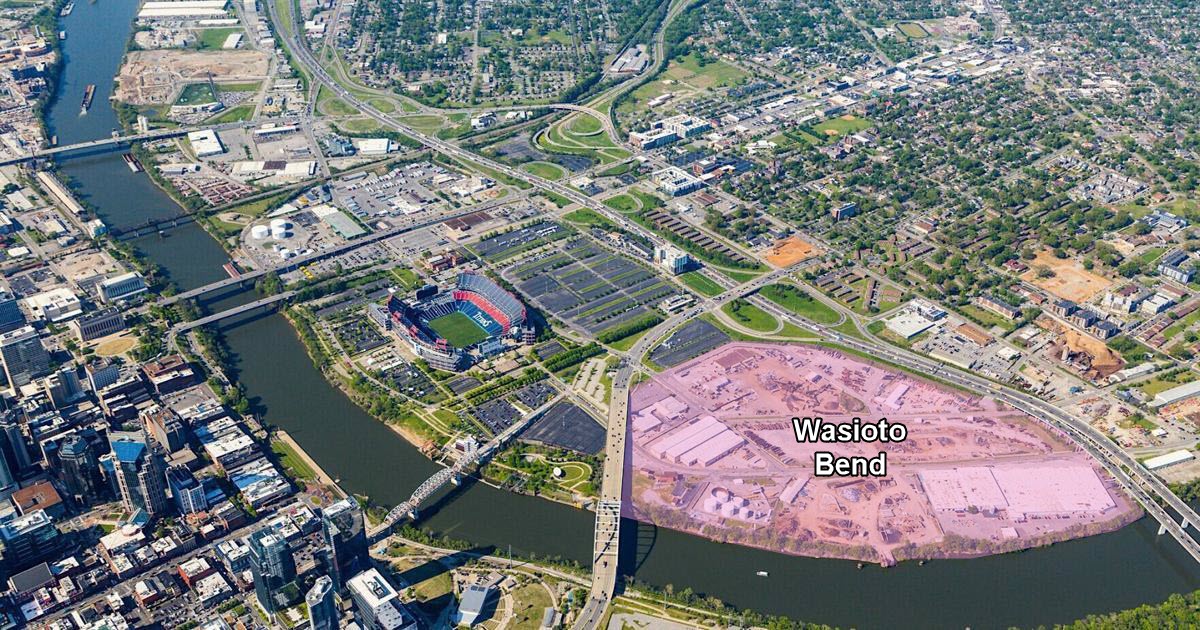 Nashville real estate developments: 3 biggest stories April 26, 2026
 3 Biggest Nashville Real Estate Stories: April 12, 2026
 3 Biggest Nashville Real Estate Stories: March 29, 2026
 Middle Tennessee Real Estate Market Update | March 2026