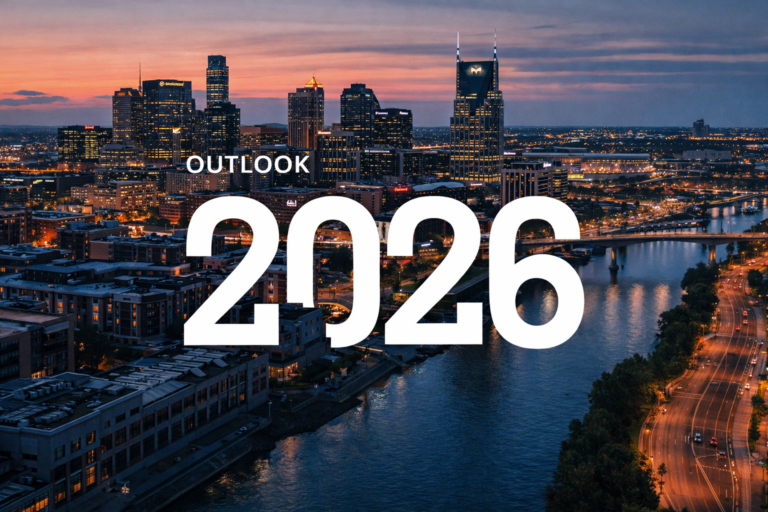
A 16 acre parcel of riverfront land in downtown Nashville has long been discussed as a potential site for public use and redevelopment. The proposal below outlines a concept that combines an 11,000 seat baseball stadium with a flexible music venue and connected public green space.
Historical Context
This article was originally written during a period of discussion surrounding redevelopment of Nashville’s riverfront. The proposal reflects planning considerations and civic priorities at that time.
Dual Use Stadium and Concert Venue Concept
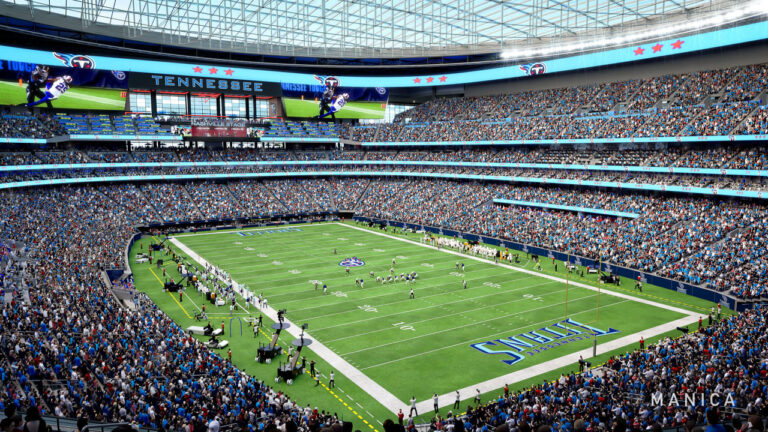
The core idea is to modify a traditional minor league baseball stadium design to allow for a movable stage that could extend into the infield area. This configuration would enable the venue to host both baseball games and large scale concerts without requiring separate facilities.
The proposal also includes a 500 space structured parking facility along the Shelby Street side of the site. The design envisions integrating brick architecture consistent with historic stadium aesthetics, along with concourses, hospitality areas, and premium seating positioned above the parking structure.
The objective is to create operational flexibility while maintaining a cohesive architectural identity.
Public Space Integration Along the Riverfront
In addition to the stadium itself, the concept includes a network of smaller parks connecting the venue to the broader riverfront corridor. Walking paths, picnic areas, and open green space would allow the property to function beyond event days.
Urban redevelopment projects of this scale often influence surrounding real estate absorption, hospitality demand, and commercial activity. For broader context on downtown development trends, see our Nashville Housing Market Overview.
Urban Revitalization Considerations
Riverfront redevelopment involves balancing public access, infrastructure capacity, maintenance costs, and long term economic impact. A multi use venue can increase utilization of limited land, but successful integration depends on traffic planning, pedestrian connectivity, and adjacent development strategy.
Projects that combine entertainment infrastructure with open public space often seek to generate both civic engagement and economic spillover into surrounding districts.