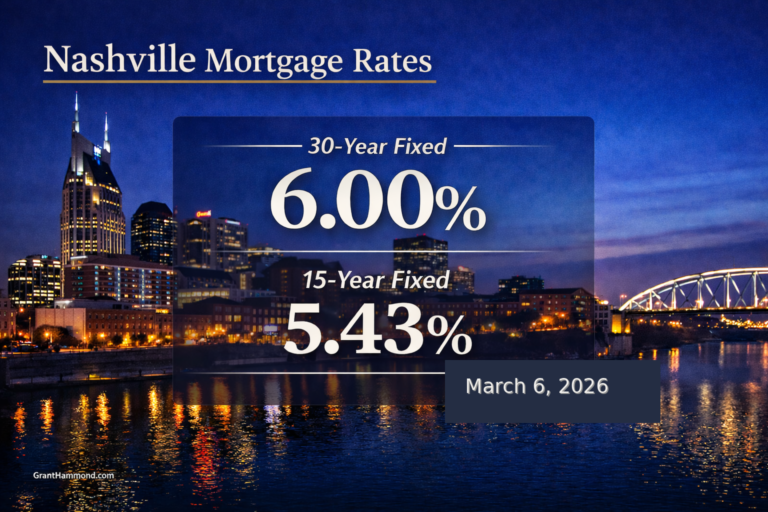
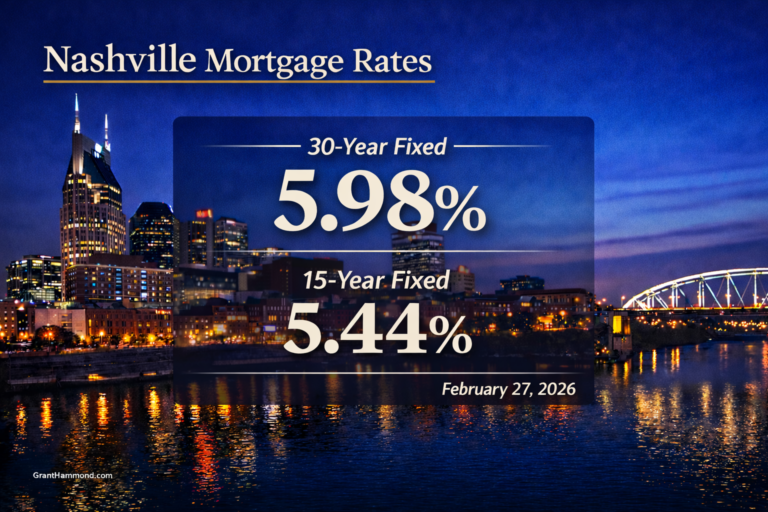
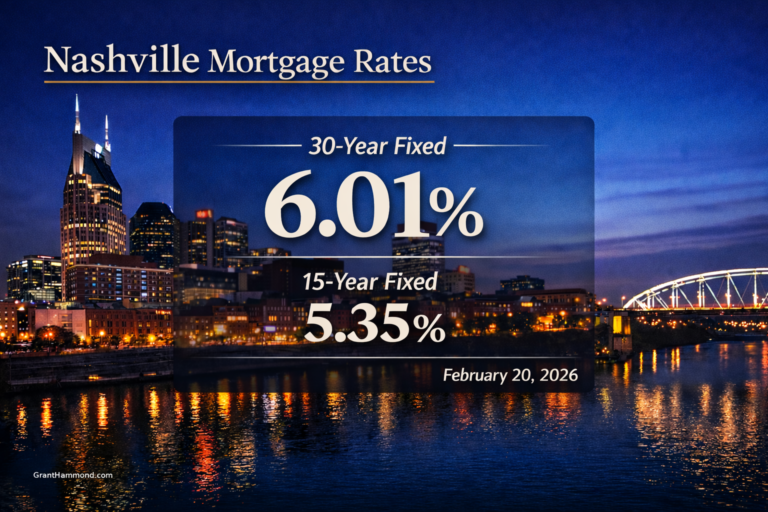
Freddie Mac’s Primary Mortgage Market Survey reported that the 30 year fixed mortgage averaged 6.74% for the week ending June 14, 2007, up from 6.53% the prior week. This marked the largest weekly increase in more than three years. One year earlier, the 30 year rate averaged 6.63%.
The 15 year fixed mortgage rose to 6.43%, up from 6.22% the previous week. A year earlier, the 15 year averaged 6.25%.
Historical Context
This article was originally published during the mid 2000s housing cycle transition. The figures below reflect national mortgage, Treasury, and housing inventory conditions during that period.
Treasury Yields and Rapid Rate Expansion
Mortgage rates rose sharply as Treasury yields moved higher. Concerns about inflation pressures and continued strength in consumer and business spending reduced expectations for a near term interest rate cut.
When Treasury yields increase quickly, mortgage backed securities typically reprice just as rapidly. A 20 basis point move in one week signals a significant adjustment in investor sentiment.
For a broader explanation of how Treasury markets influence mortgage pricing, review our Nashville mortgage rates today page.
Inventory Levels and Market Friction
At the same time, housing inventories remained elevated in many regions. Higher mortgage rates combined with excess supply can slow transaction velocity and place pressure on new construction activity.
When demand stabilizes but supply remains high, pricing recovery often proceeds gradually rather than abruptly. Mortgage rate volatility can amplify that adjustment period.
Local markets typically respond within narrower ranges than national aggregates, but financing costs remain a key variable in absorption pace.