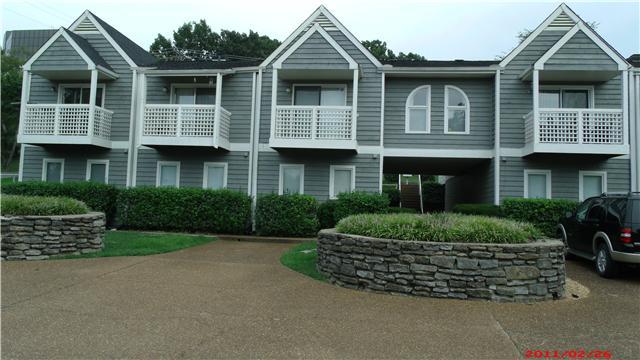
During the late-2000s housing market transition, foreclosure activity began appearing in a wide range of property types and locations across Middle Tennessee, including areas that had historically seen limited distressed sales.
At the time, two attached townhome units in the Green Hills area of Nashville had been taken back by a lender after the original development did not sell as planned.
Property Overview
The property consisted of two newly constructed townhome units, each offering:
- 3 bedrooms
- 2.5 bathrooms
- 2-car garages
- approximately 2,700 square feet per unit
The homes also featured finishes that were typical of higher-end construction during that period, including hardwood flooring, stone surfaces, and outdoor living elements.
Development Timeline
The project was originally introduced during the mid-2000s development cycle, with initial pricing established during the earlier phase of the housing expansion.
As market conditions shifted, the development experienced pricing adjustments before ultimately transitioning into lender ownership. The bank completed the remaining construction work after taking control of the property.
Foreclosures in Established Neighborhoods
Green Hills has long been considered one of Nashville’s more established and desirable residential areas, known for its proximity to downtown, retail centers, and higher-end housing stock.
Foreclosure activity in neighborhoods like Green Hills was less common than in more rapidly expanding or speculative markets. However, during broader housing transitions, even well-established areas can experience isolated instances of distressed property.
Historical Context
This article was originally published during the late-2000s housing market transition, when foreclosure activity increased across many U.S. housing markets. During this period, distressed sales occasionally appeared in both entry-level and higher-end neighborhoods.
Market Cycles and Local Real Estate
Housing markets move through cycles that include periods of expansion, adjustment, and stabilization. Developments that were initiated during periods of strong demand sometimes encountered challenges if market conditions shifted before completion.
For a deeper look at how foreclosure activity has influenced the Nashville market over time, visit our Nashville foreclosures and REO guide.