The Office of Federal Housing Enterprise Oversight announced that the 2008 conforming loan limit for one unit properties would remain at $417,000. This marked the third consecutive year at that level.
Higher limits continued to apply in designated high cost areas such as Alaska, Hawaii, Guam, and the U.S. Virgin Islands, as well as for multi unit properties.
Historical Context
This article was originally published during the mid 2000s housing cycle transition. The policy decision below reflects federal housing finance conditions at that time.
Conforming Limits and Housing Price Data
Director James B. Lockhart noted that home price survey data showed declines over the prior year. Despite those declines, the conforming loan cap did not decrease.
Conforming loan limits determine the maximum mortgage size eligible for purchase by Fannie Mae and Freddie Mac. Maintaining the $417,000 threshold preserved access to conventional secondary market financing for borrowers within that range.
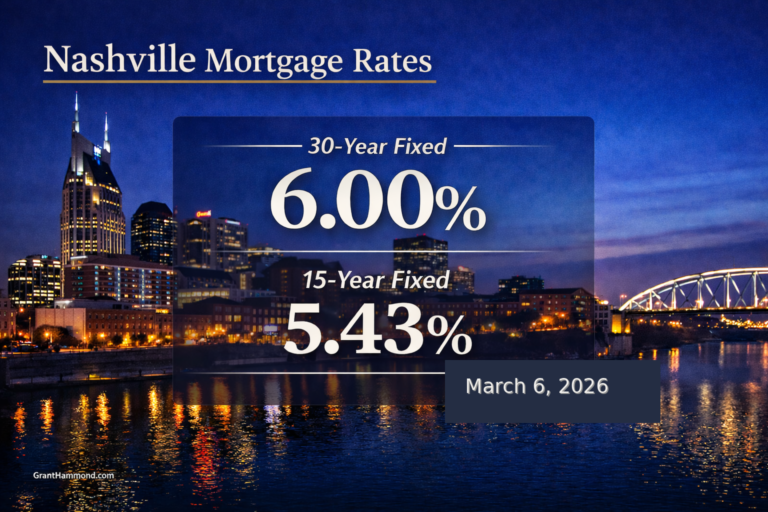
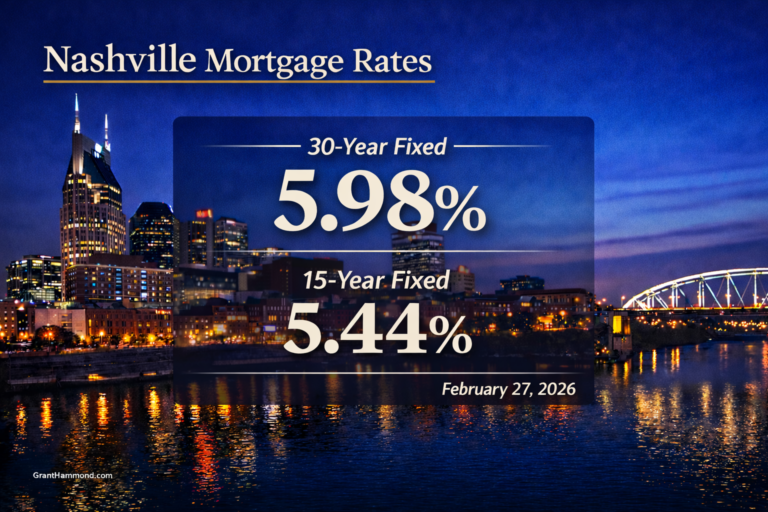
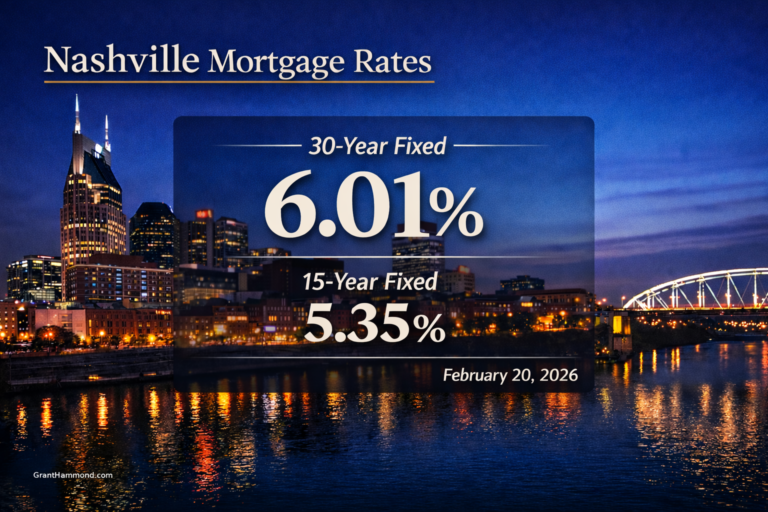
For a broader explanation of how conforming limits influence mortgage pricing and availability, review our Nashville mortgage rates today page.
Credit Availability and Market Stability
During periods of housing price adjustment, conforming loan limits can play a stabilizing role. If limits fall, more borrowers are pushed into jumbo financing categories, which often carry different pricing and underwriting standards.
By holding the limit steady, policymakers avoided introducing additional tightening into an already transitioning housing market.
Regulatory decisions affecting loan eligibility often have downstream effects on affordability, underwriting standards, and capital flows within residential real estate.
Understanding conforming loan limits is essential when evaluating financing options during shifting market cycles.