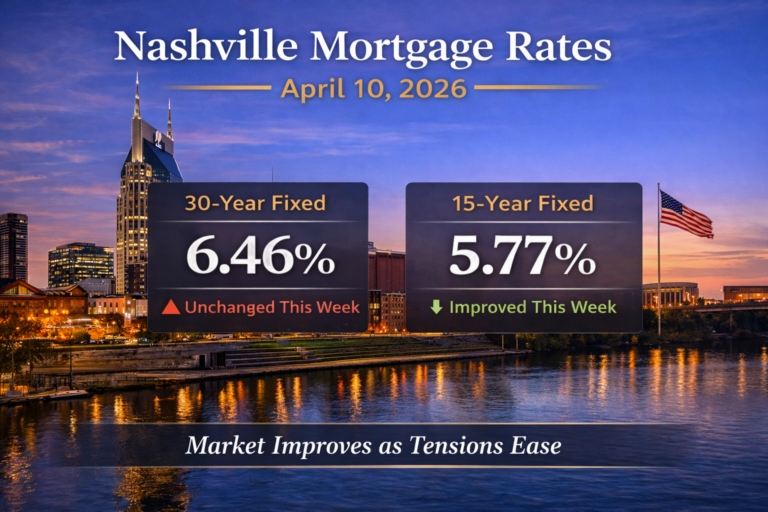
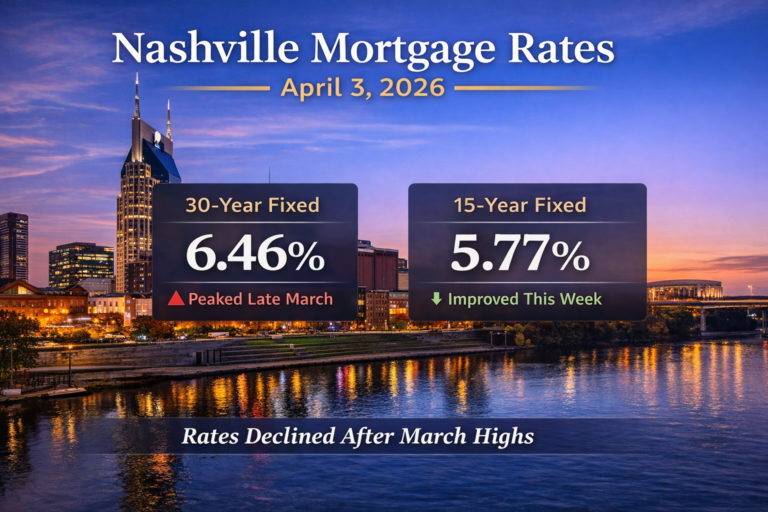
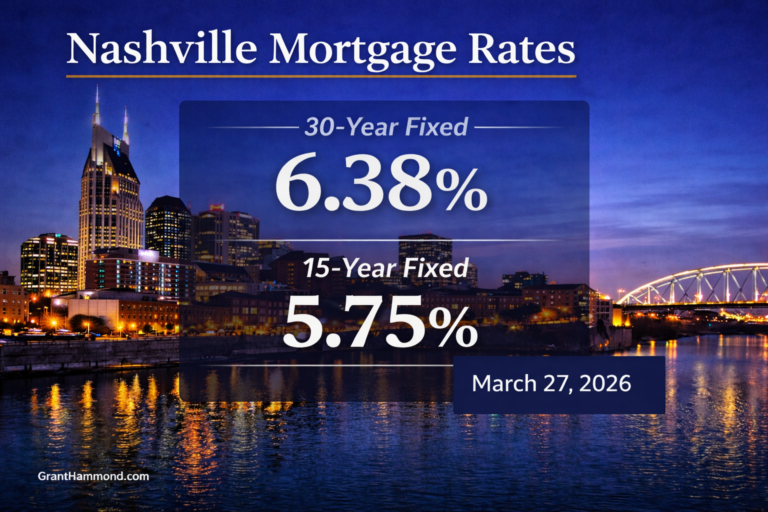
After reaching a four month low of 6.31% two weeks earlier, the 30 year fixed mortgage rate moved higher to 6.42%. The 15 year fixed mortgage increased to 6.09% from 5.98%.
In contrast, initial rates on one year and five year adjustable mortgages declined for the fourth consecutive week.
Historical Context
This article was originally published during the mid 2000s housing cycle transition. The figures below reflect mortgage market and capital allocation conditions during that period.
Divergence Across the Yield Curve
The increase in long term mortgage rates alongside declines in shorter duration adjustable products highlights shifting behavior across the yield curve.
Long term mortgage rates are more sensitive to investor expectations about inflation and economic growth. Adjustable products, particularly those tied more closely to shorter term benchmarks, can move differently depending on liquidity conditions and policy signals.
For a broader explanation of how yield curve dynamics influence mortgage pricing, review our Nashville mortgage rates today page.
Adjustable Rate Market Share Trends
The Mortgage Bankers Association reported that adjustable rate mortgages were at their lowest market share level in approximately four and a half years.
A decline in ARM utilization can signal increased borrower preference for payment stability during uncertain market conditions. When long term fixed rates remain relatively competitive, borrowers often prioritize predictability over initial rate discounts.
Changes in product mix can influence lender balance sheets and overall mortgage market structure during transitional housing cycles.