Mortgage rates moved slightly higher in early May 2009, following a period of record lows.
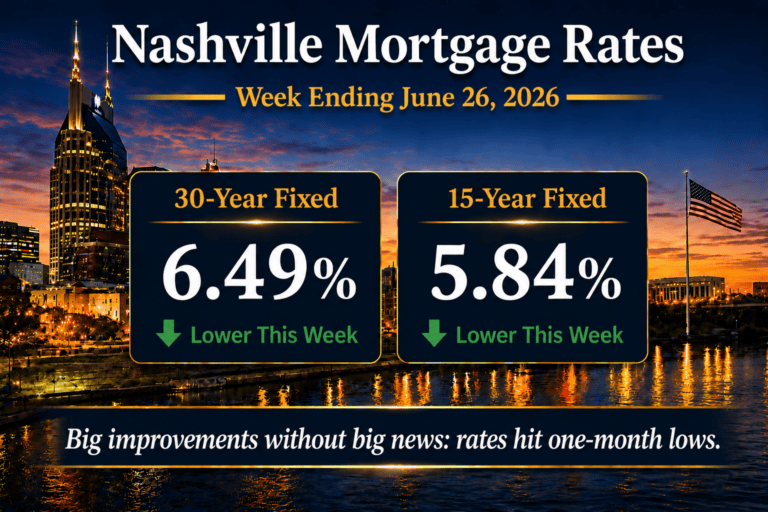
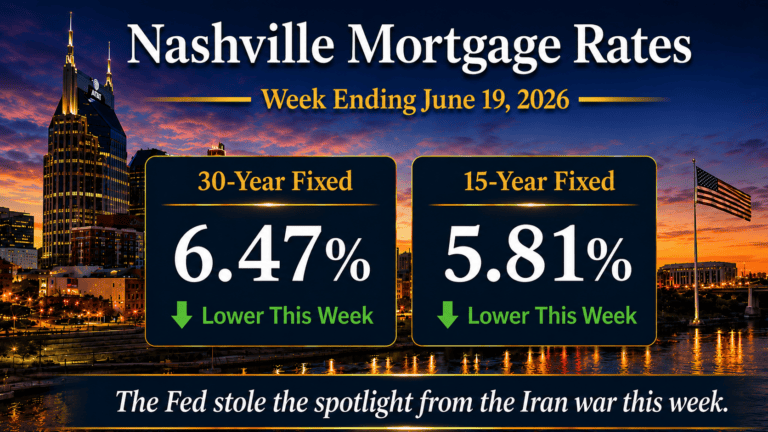
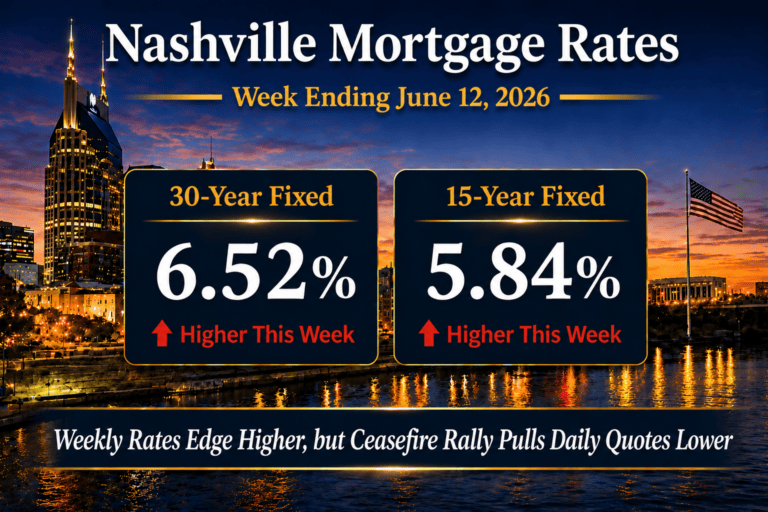
According to Freddie Mac, the 30-year fixed mortgage rate rose to 4.84%, up from 4.78% the prior week, which had matched historic lows. The 15-year fixed rate increased to 4.51%, reflecting modest upward pressure across fixed-rate products.
Refinancing Activity Remains Elevated
Borrower behavior continued to shape rate movement.
Data indicated that roughly three-quarters of all mortgage applications were for refinancing, according to the Mortgage Bankers Association. High refinancing demand can influence lender pricing, particularly when capacity is constrained.
Why Rates Moved Slightly Higher
Even small shifts in demand can affect mortgage pricing.
When refinancing activity surges, lenders may adjust rates to manage application volume and operational capacity. This can lead to short-term increases, even when broader market conditions continue to support lower rates.
Buyer Activity Begins to Increase
At the same time, purchase demand showed improvement.
More buyers entered the Nashville market in April than at any point since late 2008. Much of this activity came from first-time buyers and value-focused purchasers responding to improved affordability conditions.
Inventory Trends Signal Progress
One of the most important developments during this period was the direction of inventory.
Housing supply had been declining for several consecutive months, indicating that excess inventory was beginning to be absorbed. This trend is a key component of market stabilization.
What This Data Shows
The combination of factors is important.
Mortgage rates remained near historic lows, refinancing activity was elevated, buyer demand was increasing, and inventory levels were declining. Together, these trends suggest a market transitioning out of its most distressed phase.
Historical Context
This update reflects May 2009, a period when the housing market was beginning to show more consistent signs of improvement.
While uncertainty remained, key indicators such as buyer activity and inventory trends were moving in a more favorable direction. Nashville followed these national patterns, with gradual stabilization supported by improving fundamentals.
Understanding Market Transitions
Housing markets shift through overlapping signals.
Rates, demand, and inventory do not move in isolation. Instead, they interact to shape the pace and timing of recovery. Sustained improvements across these areas are typically required before a full recovery takes hold.
For a broader look at how these factors continue to influence the market, explore Nashville real estate market trends.