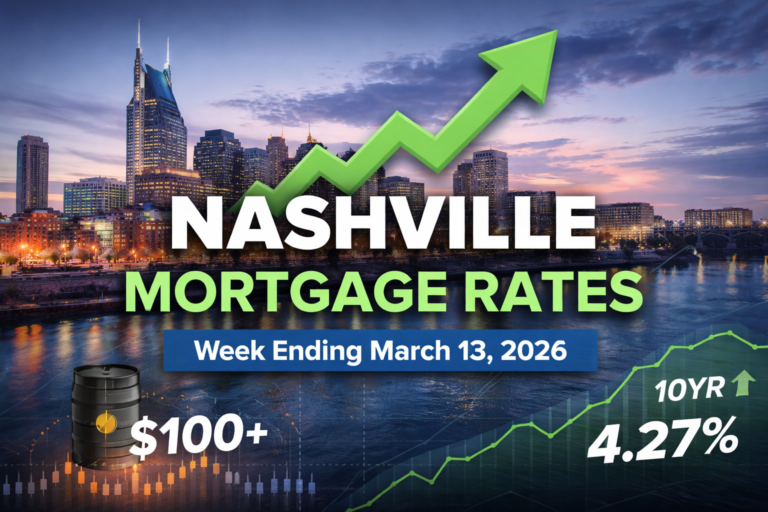
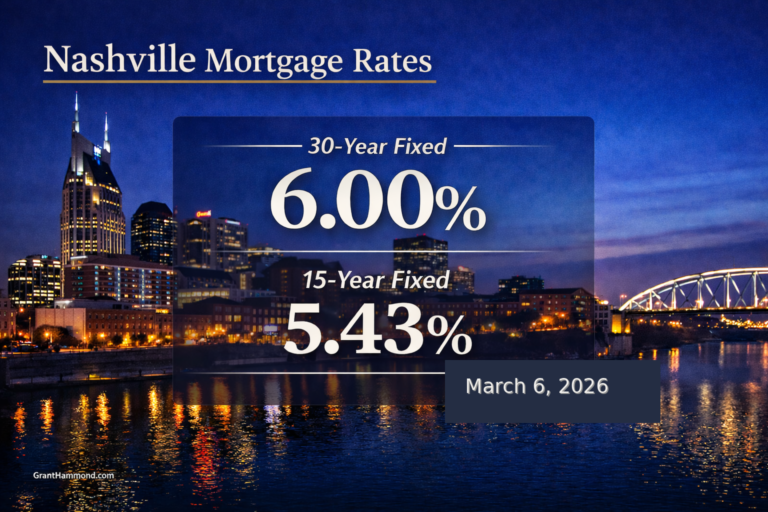
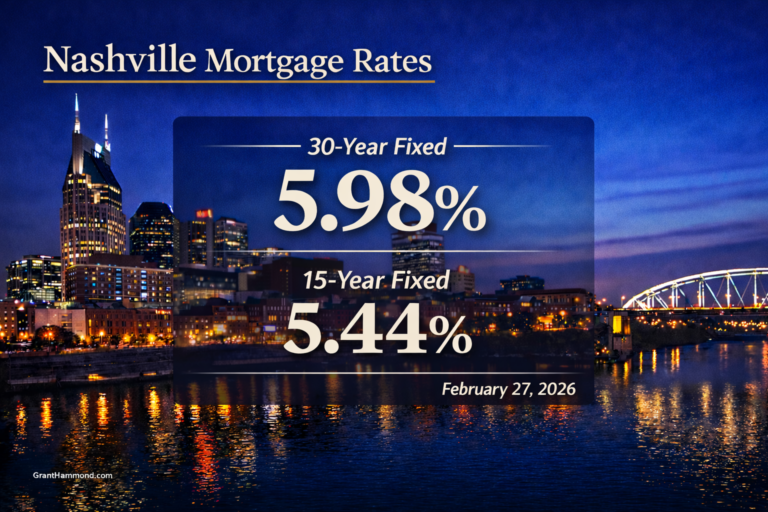
Freddie Mac reported that the 30 year fixed mortgage rate declined slightly to 6.68% for the week ending August 2, down from 6.69% the prior week. The 15 year fixed mortgage fell to 6.32% from 6.37%.
The five year adjustable mortgage averaged 6.29%, while the one year ARM moved lower to 5.59%.
Historical Context
This article was originally published during the mid 2000s housing cycle transition. The figures below reflect national mortgage and capital market conditions during that period.
Capital Rotation Between Treasuries and Mortgage Bonds
Freddie Mac’s chief economist noted that borrowing costs eased as investors increased purchases of Treasury securities while reducing exposure to mortgage backed bonds.
When capital flows shift toward Treasuries, overall yields can compress. However, changes in allocation between Treasuries and mortgage backed securities also influence the spread that lenders require to price home loans.
For a broader explanation of how bond markets and spreads affect financing costs, review our Nashville mortgage rates today page.
Spread Compression and Rate Sensitivity
Mortgage rates do not move solely based on Treasury yields. The difference between Treasury yields and mortgage backed securities yields, often called the spread, plays a critical role.
When investor demand for safer assets strengthens, short term rate relief may occur. However, sustained downward movement typically requires consistent capital support within mortgage credit markets.
Rate shifts of one or two basis points often reflect tactical market positioning rather than structural economic change.