Nashville’s real estate market continues to evolve as development activity, population growth, and corporate investment reshape the Nashville economy and housing demand across Middle Tennessee.
Over the past week, three important stories stood out across the region. Housing inventory in the Nashville area is rising, a major redevelopment is beginning at Rivergate Mall, and a new mixed-use development is advancing near Belle Meade.
Nashville continues to rank among the fastest-growing metropolitan areas in the United States, a trend that is driving new housing demand and real estate development throughout Middle Tennessee.
These developments highlight the economic forces shaping Nashville real estate demand, new housing construction, and redevelopment opportunities across the region.
For buyers, investors, and homeowners, these types of economic signals often reveal where the Nashville real estate market trends are heading next.
Quick Takeaways: Nashville Real Estate News This Week
Three major developments shaped Nashville real estate this week.
Nashville Housing Inventory Rising
• Nashville housing inventory has climbed to more than 12,000 listings, giving buyers serious negotiating power for the first time in several years.
Rivergate Mall Redevelopment Begins
• The former Rivergate Mall property in Goodlettsville is entering demolition following a $33 million sale and plans for a large mixed-use redevelopment.
Mixed-Use Development Near Belle Meade
• A proposed development near Belle Meade could add hundreds of new apartments and commercial space in one of Nashville’s most desirable areas.
1. Nashville Housing Market Shows Signs of Balancing
After several years of intense competition and rapid price growth, the Nashville housing market is beginning to show signs of a more balanced cycle.
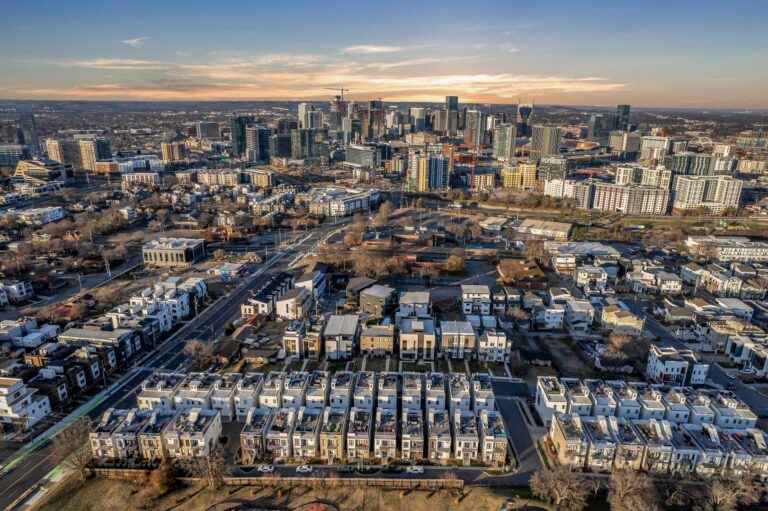
Recent market data shows that housing inventory across the Nashville region has increased to more than 12,000 listings, representing roughly a 12% increase from a year earlier. At the same time, homes are selling about 6% below asking price on average.
While Nashville remains one of the fastest-growing metropolitan areas in the United States, this increase in inventory gives buyers more negotiating leverage than they have had in several years.
The shift reflects a broader national trend in which higher mortgage rates have slowed buyer demand slightly while new listings continue to enter the market.
Why This Matters for Nashville Real Estate
A more balanced market does not necessarily mean declining property values. Instead, it often signals a healthier environment where both buyers and sellers can transact more predictably.
For the Nashville region, rising inventory can mean:
- More options for buyers
- Longer marketing times for listings
- More stable pricing growth
Over the long term, population migration and job growth are still expected to support demand across the Nashville homes for sale market.
2. Rivergate Mall Redevelopment Signals New Mixed-Use Growth

Concept rendering of a mixed-use redevelopment proposed for the Rivergate Mall property in Goodlettsville north of Nashville.
One of the most significant redevelopment projects moving forward in Middle Tennessee involves the former Rivergate Mall property in Goodlettsville.
The aging regional mall recently sold for approximately $33 million, and demolition of the existing structures has begun.
Developers are planning a large mixed-use redevelopment that could include residential units, retail space, restaurants, and other commercial uses.
Projects like this are becoming increasingly common as underperforming retail centers across the United States are transformed into higher-density mixed-use developments.
Located just north of Nashville, the Rivergate property sits along a major commercial corridor that has long served residents in northern Davidson County and Sumner County.
Why This Matters for Nashville Real Estate
Redevelopments like Rivergate often unlock large amounts of new housing supply.
Instead of traditional suburban retail centers, developers are increasingly building communities that combine:
- Apartments or condominiums
- Retail space
- Restaurants
- Entertainment venues
These projects support the broader trend toward Nashville mixed-use developments that integrate housing and commercial space in walkable districts.
As Nashville’s population continues to grow, these redevelopment opportunities will likely play a major role in expanding housing supply across Middle Tennessee.
New Mixed-Use Development Proposed Near Belle Meade

New housing development proposals near Belle Meade reflect continued demand for real estate in West Nashville.
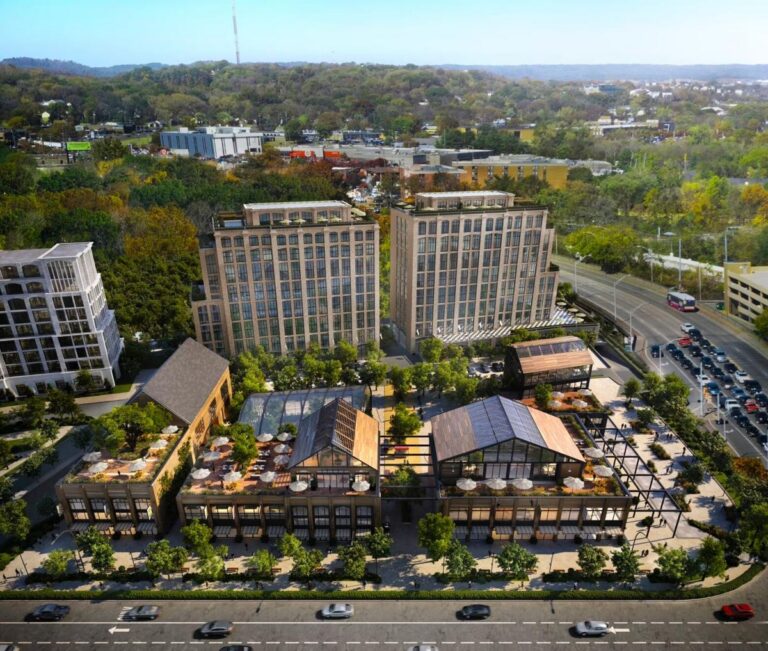
Another story gaining attention this week involves a proposed mixed-use development near Belle Meade, one of Nashville’s most desirable residential areas.
Early plans indicate the project could include hundreds of new apartment units along with retail and commercial space.
Developments in high-income areas such as Belle Meade and West Nashville often attract significant interest because they place new housing close to established neighborhoods, retail corridors, and employment centers.
The project is still in the early stages, but it reflects the continued pressure for additional housing across Nashville’s most desirable districts.
Why This Matters for Nashville Real Estate
West Nashville remains one of the most competitive housing markets in the region.
Limited land supply, strong schools, and proximity to downtown Nashville have made neighborhoods near Belle Meade particularly attractive to buyers.
Adding new housing through mixed-use developments can help address demand while maintaining proximity to some of the city’s most valuable residential areas.
Projects like this also reinforce broader Nashville relocation trends as professionals moving to the region look for housing close to employment centers and lifestyle amenities.
Nashville Real Estate Market Context
Recent developments across the Nashville region point to several structural forces shaping the next phase of the local housing market.
Rising housing inventory, the redevelopment of aging commercial properties, and continued demand in high-value neighborhoods all reflect a metropolitan area adjusting to sustained population growth while gradually expanding its housing supply.
These patterns are typical of rapidly growing cities that are transitioning from a period of constrained supply toward a more balanced market environment.
Rising Housing Inventory
After several years of unusually tight supply, the Nashville housing market is beginning to show early signs of normalization.
Active listings across the region have increased compared with recent years, giving buyers more options and slightly reducing the intense competition that defined the market between 2020 and 2023.
In economic terms, rising inventory often signals that supply is beginning to respond to elevated demand. While population growth and migration continue to support the Nashville housing market, an expanding inventory base can moderate price volatility and move the market toward a more sustainable equilibrium.
For buyers, this shift may translate into longer marketing times, more negotiation flexibility, and a wider selection of homes across the Nashville homes for sale market.
Redevelopment of Aging Retail Centers
The Rivergate Mall redevelopment illustrates a broader transformation occurring in commercial real estate.
Across the country, aging regional malls that once anchored suburban retail corridors are increasingly being repositioned as mixed-use developments combining residential housing, restaurants, retail, and entertainment.
From a development perspective, these sites are particularly attractive because they already possess transportation access, utilities, and commercial zoning that can support higher-density projects.
In growing metropolitan areas like Nashville, redeveloping obsolete retail properties offers a practical way to expand housing supply without relying on large scale greenfield development.
Projects like Rivergate therefore represent an important component of the expanding pipeline of Nashville mixed-use developments.
Housing Demand in High-Value Areas
At the same time, demand remains concentrated in Nashville’s most established residential districts.
Areas near Belle Meade and West Nashville continue to attract strong interest from buyers and renters because they offer proximity to employment centers, established neighborhoods, and retail corridors.
In urban housing markets, development activity tends to cluster where land values and household incomes are highest. The continued push for new housing near Belle Meade reflects this dynamic.
Projects proposed in these areas often signal persistent population inflows and sustained demand from professionals relocating to Nashville for employment opportunities and lifestyle advantages.
These patterns reinforce the broader Nashville relocation trends that have driven housing demand across the region for more than a decade.
What It Means for Nashville Real Estate
For buyers, investors, and developers, these developments suggest that the Nashville real estate market is entering a more mature phase of its growth cycle rather than slowing down.
Population growth, corporate relocation, and continued investment in the regional economy remain powerful drivers of housing demand across Middle Tennessee.
At the same time, redevelopment projects and new housing construction are gradually expanding supply in ways that may improve long-term market stability.
The combination of rising inventory, redevelopment of aging commercial sites, and continued demand in high-income neighborhoods points to a market that is adjusting to growth while continuing to attract capital and new residents.
As Nashville expands, these forces will continue shaping the Nashville real estate market and housing demand throughout Middle Tennessee.