Middle Tennessee Real Estate Market Update February 2026
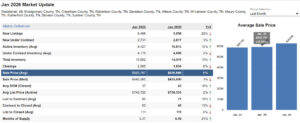
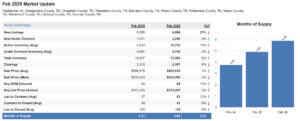
The Middle Tennessee real estate market in February 2026 shows rising inventory, higher months of supply, and stable pricing despite slower closings....
Market analysis centers on understanding how economic conditions, labor markets, interest rates, policy decisions, and supply dynamics translate into real-world real estate behavior. Rather than focusing on short-term headlines, disciplined market analysis evaluates underlying forces that shape pricing, transaction volume, risk, and opportunity over time. These forces often interact differently at the local level, which makes place-based context essential.
This category examines real estate market analysis with a focus on how economic data, housing supply, demographic trends, and financial conditions influence residential and commercial real estate outcomes. Articles published here explore employment trends, interest rates, housing inventory, affordability, migration patterns, and policy developments, with specific attention to how these dynamics affect the Nashville real estate market and surrounding Middle Tennessee region.
Written from the perspective of a Nashville real estate professional actively engaged in interpreting local market conditions, this collection helps readers understand why markets behave the way they do, how macroeconomic forces filter down to neighborhood-level outcomes, and why local context often matters more than national averages when evaluating real estate decisions.
Key considerations that shape real estate market behavior include the following:
Analysis of employment trends, wage growth, labor force participation, and how changes in the job market influence housing demand and real estate activity.
Evaluation of mortgage rates, credit availability, and financing conditions, and how shifts in borrowing costs affect buyer behavior, pricing sensitivity, and transaction volume.
Examination of housing supply constraints, new construction activity, development pipelines, and how inventory levels influence competition and pricing across different market segments.
Analysis of real estate cycles, monetary and fiscal policy, zoning decisions, and regulatory changes that shape market conditions at both the national and local level.
Insight into how neighborhood characteristics, development patterns, and localized demand drivers influence real estate outcomes in Nashville and Middle Tennessee markets.
Real estate market analysis involves evaluating economic data, housing supply, demand trends, and financial conditions to understand how markets function and how conditions may evolve over time.
Local factors such as employment concentration, housing supply, zoning rules, and migration trends often shape outcomes more than national averages. Nashville and Middle Tennessee exhibit market behavior that can differ meaningfully from broader U.S. trends.
Interest rates influence affordability, purchasing power, investment returns, and transaction volume. Changes in rates often affect market activity before they affect prices.
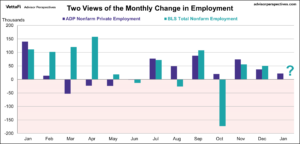
Job growth, wage trends, and employment stability directly impact household formation, mobility, and confidence, which in turn shape housing demand.
Market analysis provides context for timing, pricing, and risk management. It helps buyers, sellers, and investors make informed decisions rather than reacting to short-term headlines.
Below you will find the latest articles and analysis published within the Market Analysis category.