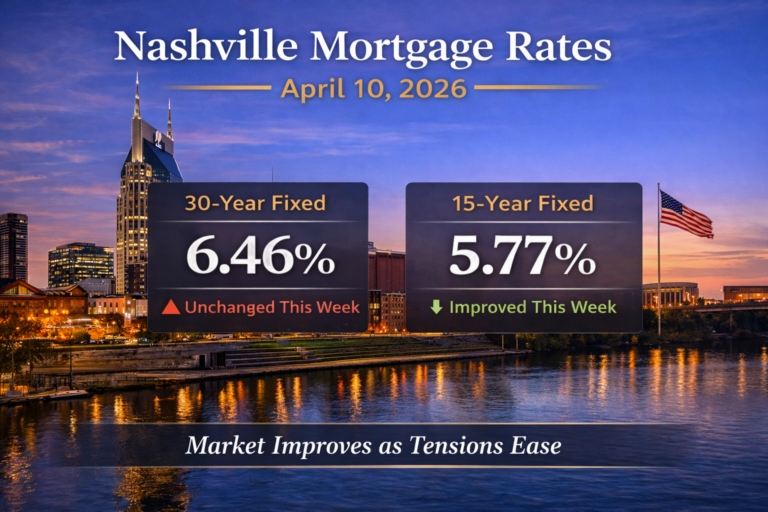
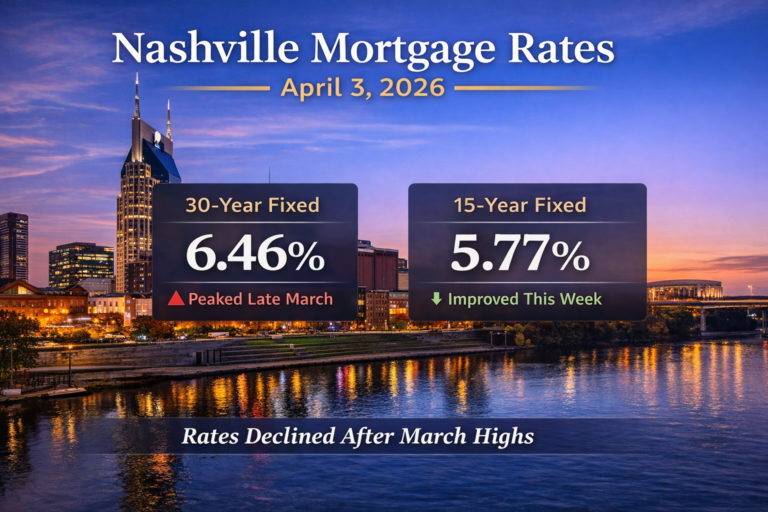
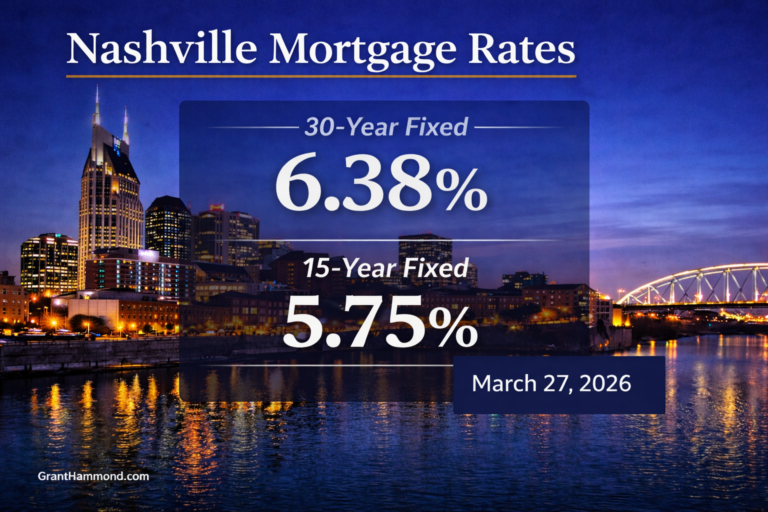
National average mortgage borrowing costs moved slightly higher during the latest reporting period, according to Freddie Mac’s Primary Mortgage Market Survey.
The average 30-year fixed mortgage rate increased to 5.88%, up from 5.85% the previous week. At the same time, the 15-year fixed mortgage rose to 5.42%, compared with 5.34% the week before.
While fixed mortgage rates edged upward, adjustable-rate products moved in the opposite direction. The one-year adjustable-rate mortgage declined to 5.19%, down from 5.24%, while the five-year ARM slipped to 5.59% from 5.67%.
These small shifts illustrate how different segments of the mortgage market can respond differently to broader economic expectations and investor demand.
What Influences Mortgage Rate Movements
Mortgage rates are closely tied to the broader bond market, particularly yields on U.S. Treasury securities. When investors shift capital between different fixed income assets, mortgage backed securities often move in tandem with those changes.
Short-term policy discussions by the Federal Reserve can also influence expectations across lending markets, particularly when investors anticipate adjustments to benchmark interest rates.
Historical Context
This article was originally published during the late-2000s housing and credit market transition, when mortgage rates were frequently adjusting as policymakers and financial markets responded to changing economic conditions.
Monitoring Mortgage Rates Over Time
Mortgage rate movements often occur gradually rather than in dramatic shifts from week to week. Small changes like those reported in this survey can still influence buyer purchasing power and refinancing activity.
If you want to compare historical rates with today’s market conditions, you can review Nashville mortgage rate trends on our regularly updated mortgage dashboard.