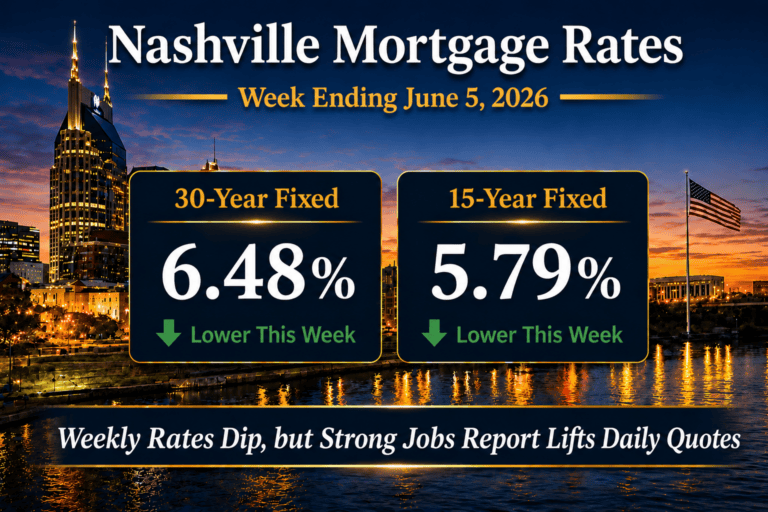
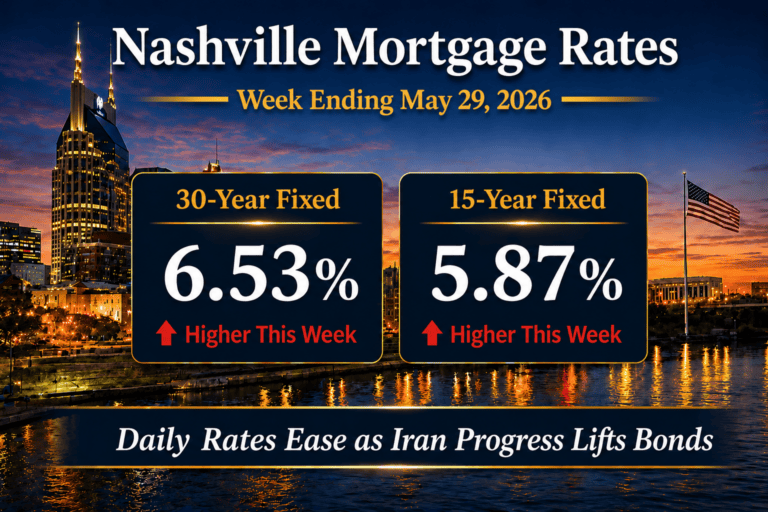
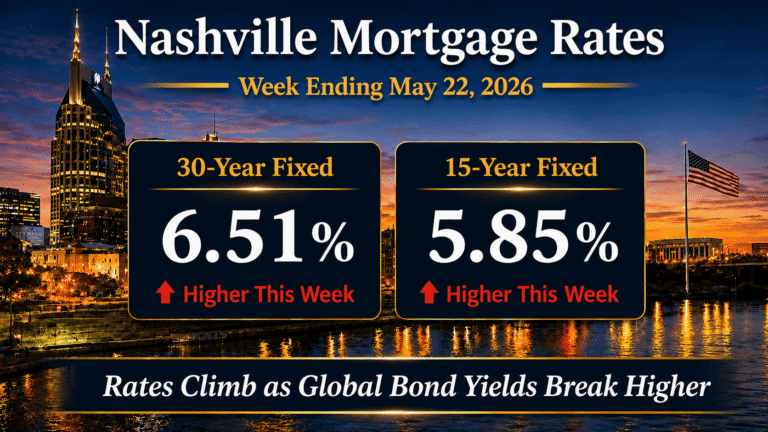
Mortgage rates moved higher this week, reversing part of the recent downward trend and reaching a two-month high.
According to Freddie Mac, the 30-year fixed mortgage rate increased to 6.08%, up from 5.98% the prior week. The 15-year fixed rate also climbed to 5.66%, reflecting broader upward pressure across long-term borrowing costs.
Adjustable-rate products were mixed. The five-year ARM edged up slightly to 5.62%, while the one-year ARM declined to 5.22%, continuing the divergence between short-term and long-term rate behavior.
What Drove Rates Higher
The primary driver behind this move was renewed concern around inflation.
As inflation expectations rise, investors typically demand higher yields on U.S. Treasury bonds. Mortgage rates follow those movements, which is why even small shifts in sentiment can quickly impact borrowing costs.
At the time, additional pressure was coming from instability in lending markets, particularly tied to failing loans associated with condo developments and builder financing in South Florida and parts of the West Coast.
What This Meant for Nashville Buyers
For buyers in Nashville, this increase marked a shift after a brief period of improving affordability.
Even modest rate increases can reduce purchasing power and slow buyer activity, especially in a market that was already transitioning. In these environments, rate volatility often translates into wider negotiation gaps between buyers and sellers.
Historical Context
This update was originally published during the early stages of the national housing slowdown, when credit markets were beginning to tighten and stress was emerging in high-growth coastal markets.
Unlike markets such as South Florida and California, which were experiencing more severe corrections tied to speculative development and loose lending practices, Nashville entered this period with more stable fundamentals.
That relative stability is why rate movements during this time had a more measured impact locally, even as national headlines suggested broader housing instability.
A Market Still in Transition
While this rate increase was notable, it did not necessarily signal a sustained upward trend.
Mortgage markets during this period were highly reactive to inflation data, Treasury yields, and broader credit conditions. Short-term volatility was common, and directional shifts often changed quickly from week to week.
Track Nashville Mortgage Rates Today
Mortgage rates continue to move based on inflation, bond markets, and Federal Reserve expectations.
For a real-time view of how today’s market compares to prior cycles, visit Nashville mortgage rates today.