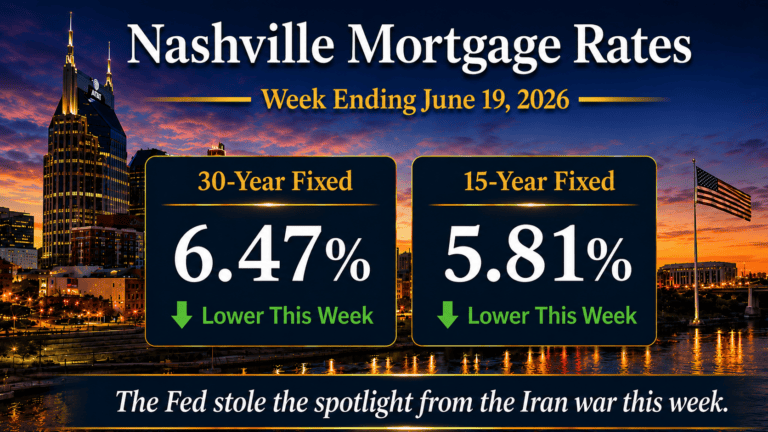
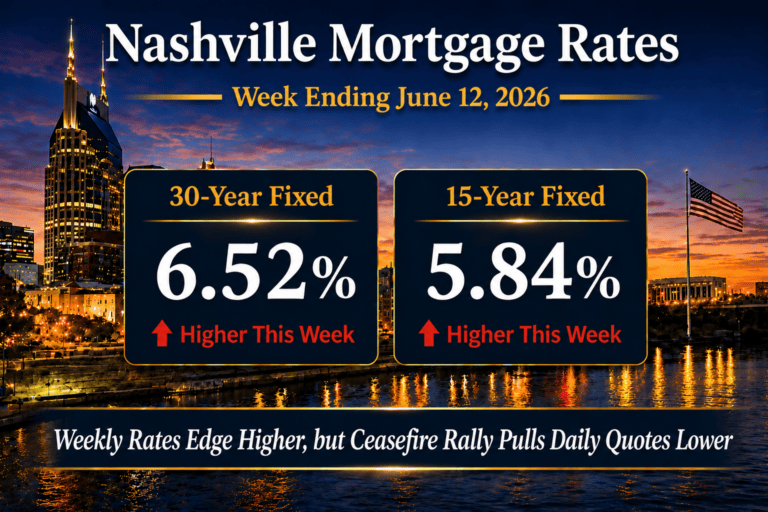
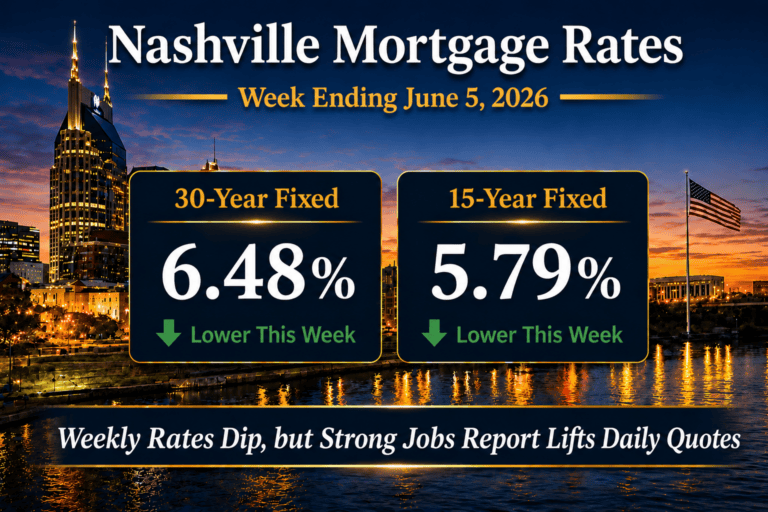
Mortgage rates dropped below the 6% threshold for the first time in several months, marking a notable shift in borrowing costs.
According to Freddie Mac, the 30-year fixed mortgage rate declined to 5.93%, down from 6.35% the previous week and below the 6.31% level recorded at the same time the prior year.
Why the 6% Level Matters
Mortgage rates often carry psychological thresholds, and moving below 6% is one of them.
When rates begin with a “5,” it can influence buyer perception, even if the actual monthly savings are relatively modest. These shifts can impact sentiment and, in some cases, buyer activity.
What This Means in Real Terms
Lower rates translate directly into lower monthly payments.
For example, a $200,000 mortgage at 5.93% results in an estimated monthly principal and interest payment of approximately $1,190. That represents a noticeable reduction compared to the prior week’s rate, improving affordability for buyers.
Even small changes in rates can have a meaningful impact when applied across the full term of a mortgage.
Market Conditions at the Time
Despite the decline in mortgage rates, broader housing market conditions remained uncertain.
Transaction volume had slowed, lending standards were tightening, and inventory levels were elevated in many markets. In this environment, lower rates alone were not always enough to immediately increase buyer activity.
Historical Context
This update was originally published during the late-2000s housing downturn, when mortgage rates were fluctuating in response to financial market stress and government intervention.
During this period, rates occasionally moved lower as investors sought safer assets, but housing market activity remained constrained by credit conditions and declining transaction volume.
Nashville followed similar trends, although its more stable fundamentals helped moderate the overall impact compared to more volatile regions.
Watching Mortgage Rate Trends
Mortgage rates are influenced by inflation expectations, bond market movements, and broader economic conditions.
Understanding how these factors interact provides important context for both short-term changes and long-term cycles. To compare these historical levels with today’s market, you can follow Nashville mortgage rates today.