Mortgage rates held relatively steady during the week ending August 7, reflecting a period of limited movement in broader financial markets.
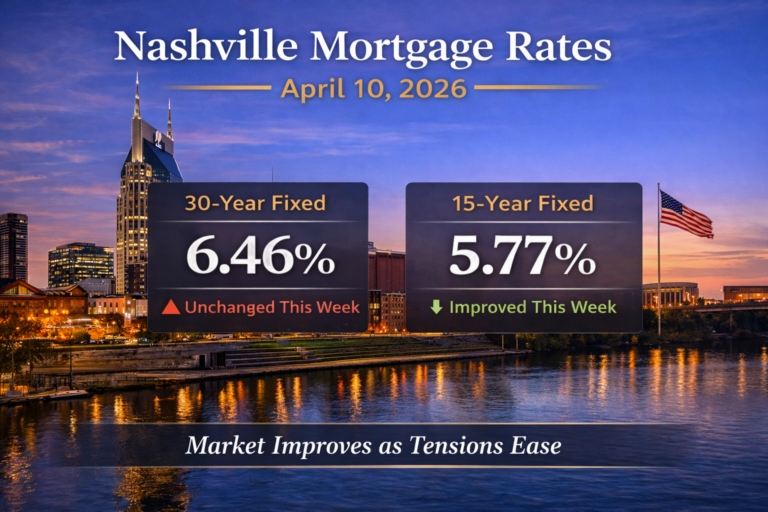
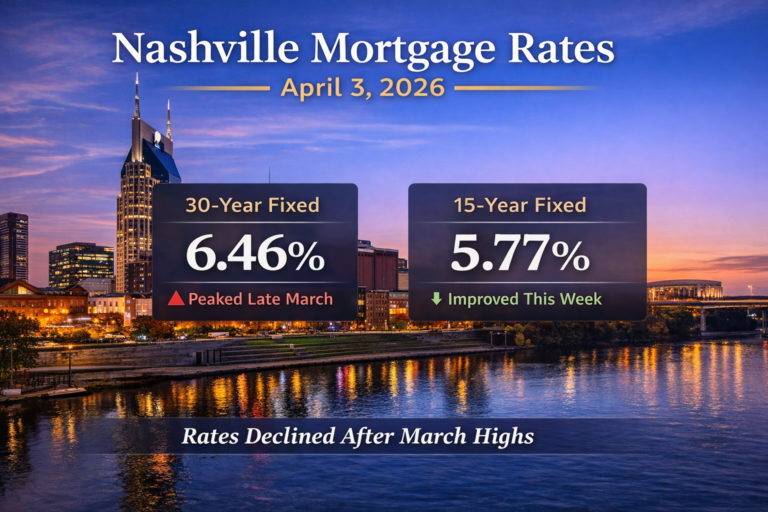
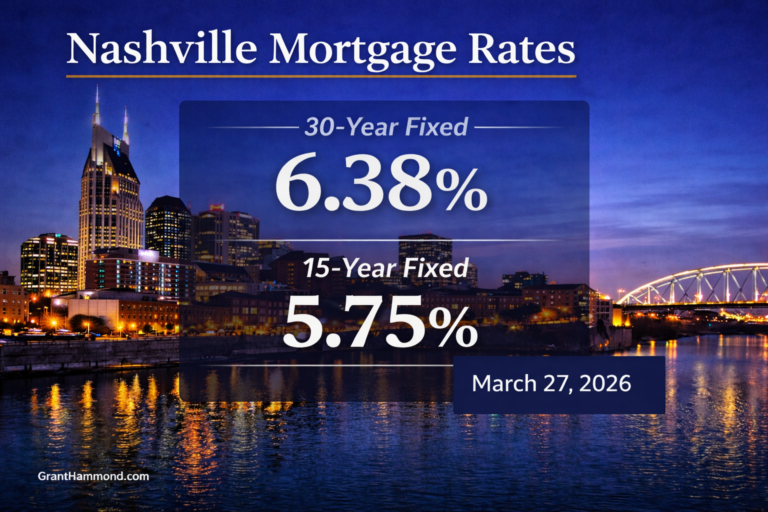
According to Freddie Mac, the 30-year fixed mortgage rate remained unchanged at 6.52%, though it was slightly lower than the 6.59% recorded at the same time the previous year. The 15-year fixed rate edged higher to 6.10%, while adjustable-rate products moved lower, with the one-year ARM declining to 5.22% and the five-year ARM easing to 6.05%.
A Market Showing Stability
The lack of significant movement in mortgage rates during this period suggests a market that was temporarily stabilizing after earlier volatility.
Mortgage rates are closely tied to bond market activity, particularly movements in the 10-year Treasury yield. When economic data and inflation expectations remain relatively unchanged, rates often settle into narrower ranges like this.
Mixed Signals Across Loan Types
While the 30-year fixed rate held steady, other loan products showed slight variation.
The modest increase in 15-year rates alongside declines in adjustable-rate products reflects a market where short-term and long-term expectations were not fully aligned. This type of divergence is common during periods of uncertainty, as investors react differently to near-term versus long-term economic outlooks.
Impact on the Nashville Market
Stable mortgage rates can provide a degree of predictability for buyers and sellers.
In a market that had already begun to slow, consistency in borrowing costs helped prevent further disruption to buyer activity. At the same time, other factors such as inventory levels and lending standards continued to play a larger role in shaping overall market conditions.
Historical Context
This update was originally published during the late-2000s housing downturn, when mortgage rates were fluctuating within relatively narrow ranges despite broader instability in housing and credit markets.
During this time, transaction volume was declining and inventory levels were rising across many U.S. markets. Nashville experienced similar trends, although its underlying economic fundamentals helped moderate the impact compared to more volatile regions.
Periods of rate stability like this often occurred between larger directional moves driven by inflation data, credit market conditions, and investor sentiment.
Tracking Mortgage Rate Trends
Mortgage rates move in cycles influenced by inflation, bond markets, and Federal Reserve policy.
Understanding these patterns provides valuable context for both short-term decisions and long-term strategy. To see how today’s market compares, you can follow Nashville mortgage rates today.