Mortgage rates moved higher in early February, continuing a gradual shift after reaching historic lows.
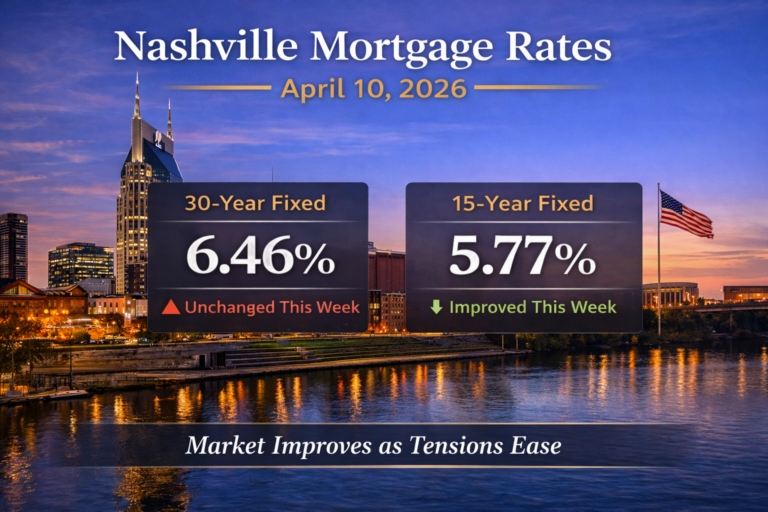
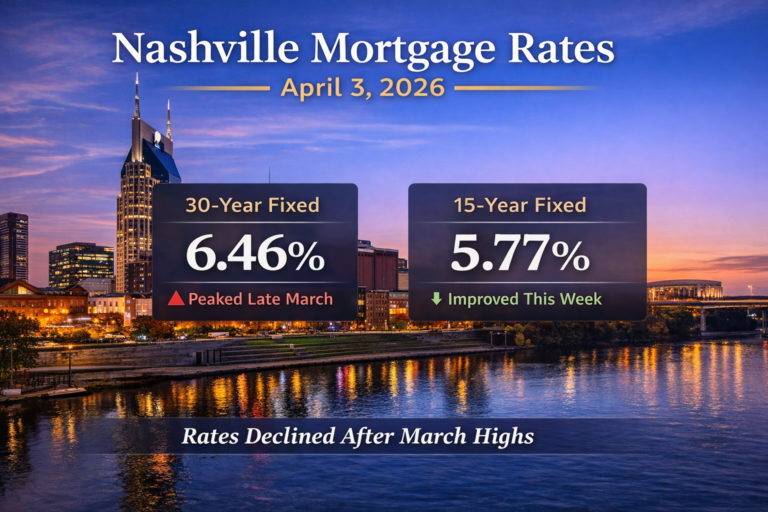
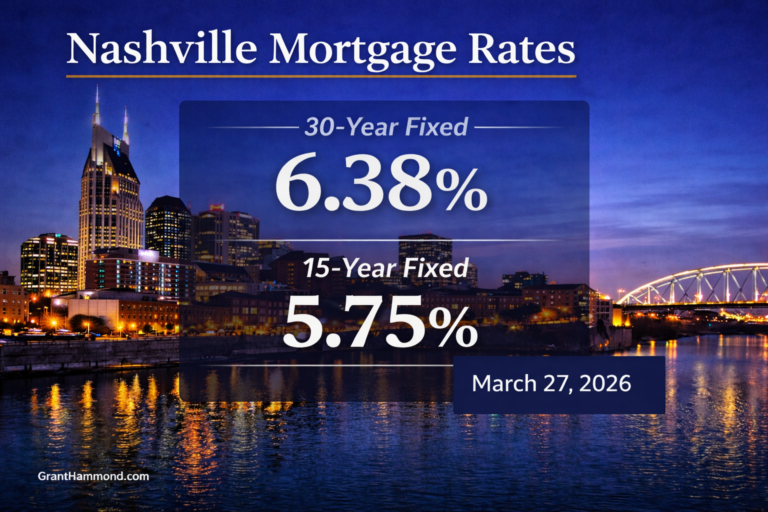
According to Freddie Mac, the 30-year fixed mortgage rate increased to 5.25%, up from 5.10% the previous week. While this represents a modest rise, borrowing costs remained near historically low levels.
Why Rates Moved Higher
The increase in mortgage rates was driven by changes in the bond market.
Long-term Treasury yields moved higher during this period, which typically leads to increases in mortgage rates. Since mortgage pricing is closely tied to the bond market, even small shifts in yields can result in noticeable changes in borrowing costs.
The Role of Refinancing Demand
Another factor influencing rates was a surge in refinancing activity.
As mortgage rates declined in previous weeks, many homeowners sought to refinance existing loans. This increase in demand can create operational pressure for lenders, which may lead to slightly higher rates as institutions manage application volume and capacity.
Still Near Historic Lows
Despite the increase, mortgage rates remained well below levels seen in prior years.
Rates in the mid-5% range continued to represent a favorable borrowing environment relative to historical norms. This level of affordability was a defining feature of the early 2009 housing landscape.
Market Conditions at the Time
Housing activity during this period was influenced by more than just mortgage rates.
Lending standards remained tight, and broader economic conditions continued to affect buyer and borrower behavior. While lower rates improved affordability, access to credit and overall confidence were still key factors shaping the market.
Historical Context
This update reflects early 2009, a period following the most significant phase of the housing crisis.
Mortgage rates had declined rapidly in late 2008 due to policy intervention and market conditions. The gradual increases seen here represent a stabilization phase, where rates began to adjust after reaching historic lows.
Nashville followed these national trends, with its relatively stable fundamentals supporting a more measured recovery compared to more volatile markets.
Understanding Rate Movements
Mortgage rates are influenced by Treasury yields, inflation expectations, and market demand for mortgage-backed securities.
Short-term increases following historic lows are common and often reflect broader adjustments in financial markets rather than a reversal of long-term trends.
To compare these historical levels with today’s market, you can follow Nashville mortgage rates today.