Mortgage rates moved sharply higher during the week ending September 25, reflecting broader instability across financial markets.
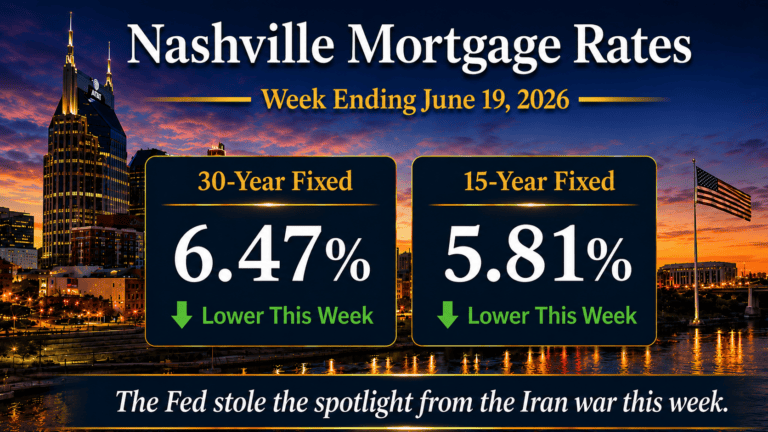
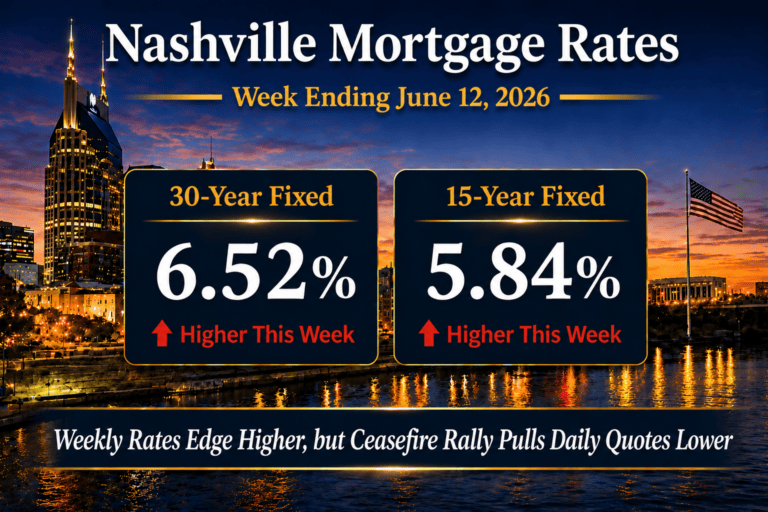
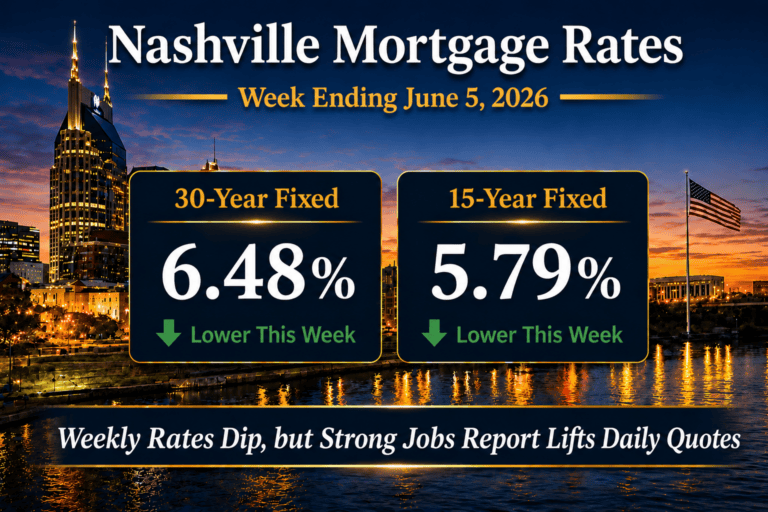
According to Freddie Mac, the 30-year fixed mortgage rate rose to 6.09%, up from 5.78% the previous week. The 15-year fixed rate increased to 5.77%, also moving higher from the prior week’s levels.
Why Rates Moved Higher
The increase in mortgage rates was tied directly to movements in the bond market.
Mortgage rates tend to follow the direction of U.S. Treasury yields, and during this period, yields rose as markets reacted to heightened economic uncertainty. This type of volatility can cause rapid changes in borrowing costs, even over a short timeframe.
A Volatile Financial Environment
This rate movement occurred during one of the most unstable periods in modern financial history.
Market uncertainty, shifting liquidity conditions, and broader economic concerns were all influencing investor behavior. As capital moved across asset classes, mortgage rates reflected those shifts in real time.
Impact on Housing Activity
Rising mortgage rates added another layer of pressure to an already slowing housing market.
Transaction volume had declined, and affordability remained a concern for many buyers. Even modest increases in borrowing costs can reduce purchasing power, particularly when combined with tighter lending standards and elevated inventory levels.
Historical Context
This update was published during the peak of the 2008 financial crisis, when global markets were experiencing extreme volatility.
Mortgage rates during this period were highly sensitive to changes in investor sentiment and liquidity conditions. While rates had declined in prior weeks, sudden reversals like this were common as markets reacted to new information.
Nashville followed national trends during this time, although its more stable fundamentals helped limit long-term disruption compared to more volatile regions.
Tracking Mortgage Rate Trends
Mortgage rates are influenced by inflation expectations, bond market movements, and overall economic conditions.
Understanding these drivers provides important context for interpreting both short-term volatility and long-term trends. To compare these historical levels with today’s market, you can follow Nashville mortgage rates today.