Applying for your first mortgage can feel more complex than most major purchases.
Unlike buying a car or making a typical retail purchase, securing a home loan involves underwriting, documentation, and financial evaluation. However, once you understand the key components, the process becomes much more manageable.
Start With Interest Rates
One of the first things buyers should understand is how mortgage rates work.
Your interest rate directly impacts your monthly payment and the total cost of the loan over time. Even small differences in rates can significantly affect long-term affordability.
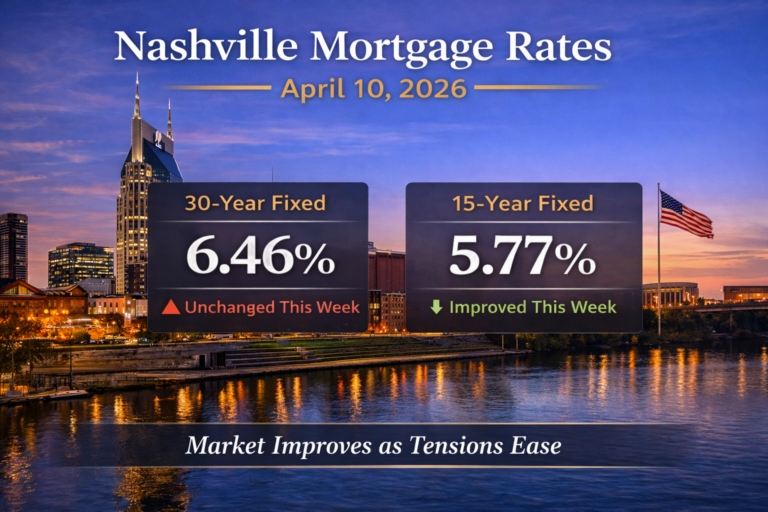
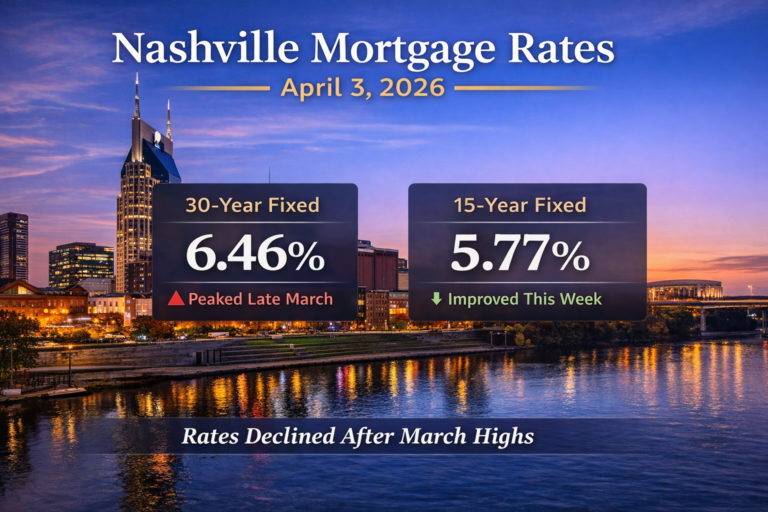
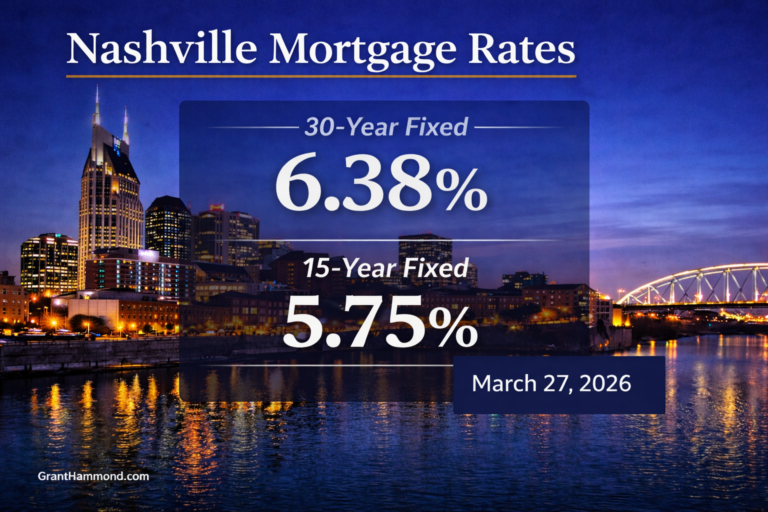
Comparing lenders and staying informed on market conditions is an important first step. If you want to understand where rates currently stand, you can track current Nashville mortgage rates and how they are trending.
Fixed vs Adjustable Loans
Mortgage structure is just as important as the rate itself.
Fixed-rate mortgages provide stability, keeping your payment consistent over the life of the loan. Adjustable-rate mortgages, on the other hand, may offer lower initial rates but can change over time based on market conditions.
Choosing between these options depends on your time horizon, financial flexibility, and risk tolerance.
Understanding the Down Payment
Your down payment plays a key role in both loan approval and long-term cost.
Buyers with stronger credit profiles often have access to lower down payment options, while others may be required to contribute more upfront. A larger down payment can reduce monthly payments and improve loan terms, but it must be balanced against available liquidity and overall financial strategy.
Preparing for the Process
Mortgage applications require documentation and patience.
Lenders will evaluate income, credit history, assets, and debt levels before approving a loan. Being prepared with the necessary financial information can help streamline the process and reduce delays.
Understanding what to expect ahead of time makes the experience significantly smoother.
Historical Context
This guidance was originally written during the late-2000s housing downturn, when lending standards were tightening and borrowers were required to provide more documentation and stronger financial profiles.
During that period, understanding loan structure, rates, and qualification requirements became even more important as access to credit shifted across the market. While loan programs have evolved since then, the core principles of mortgage preparation remain the same.
The Bottom Line
Applying for a mortgage is less about complexity and more about preparation.
Buyers who understand interest rates, loan types, and down payment requirements are better positioned to make informed decisions and navigate the process with confidence.
For a broader perspective on how financing conditions impact affordability and demand, explore Nashville real estate market trends.