
Mortgage rates experienced a dramatic decline in one of the most significant single-day moves in years.
The average 30-year fixed mortgage rate dropped from approximately 6.38% to 5.50% in a single day, marking the largest one-day decline in more than seven years.
What Caused the Sudden Drop
The sharp decline was driven by a major policy announcement from the Federal Reserve.
The central bank announced plans to purchase up to $500 billion in agency debt, along with additional commitments to support mortgage-backed securities and consumer lending markets. These actions were designed to inject liquidity into the financial system and stabilize credit markets.
By increasing demand for mortgage-related assets, these programs helped push borrowing costs lower almost immediately.
Why This Matters for Mortgage Rates
Mortgage rates are heavily influenced by the pricing of mortgage-backed securities.
When the Federal Reserve steps in as a large buyer of these assets, it can drive yields lower, which translates into lower mortgage rates for borrowers. This type of direct intervention is one of the most powerful tools available for influencing borrowing costs.
Impact on the Housing Market
A rapid decline in mortgage rates can improve affordability and influence borrower behavior.
Lower rates reduce monthly payments and can expand purchasing power. However, during periods of broader financial stress, rate improvements alone may not immediately translate into increased housing activity.
Other factors, including credit availability and overall economic confidence, continue to play a critical role.
Historical Context
This event took place during the height of the 2008 financial crisis, when the Federal Reserve implemented unprecedented measures to stabilize financial markets.
Programs targeting mortgage-backed securities were a key part of the broader effort to restore liquidity and confidence in the housing finance system. These actions marked a turning point in how central banks respond to systemic financial stress.
Understanding Policy-Driven Rate Moves
Not all mortgage rate changes are gradual.
In rare cases, policy intervention can cause immediate and significant shifts in borrowing costs. Understanding the role of central bank actions helps explain why rates can move so quickly during periods of economic disruption.
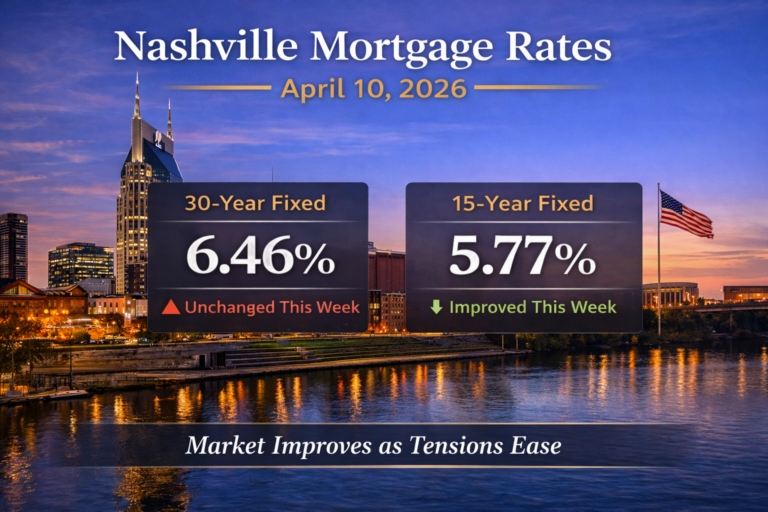
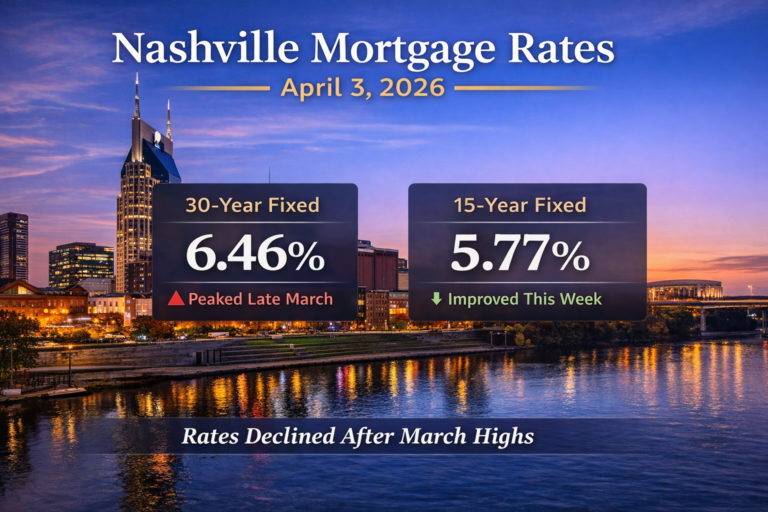
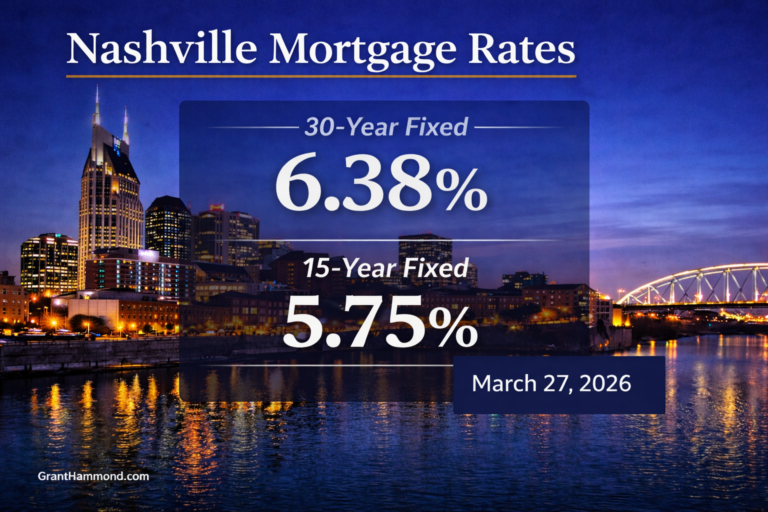
To compare these historical movements with today’s market, you can follow Nashville mortgage rates today.

September 11, 2009, 3:46 pm