Mortgage rates moved sharply higher this week, reaching their highest levels in several months.
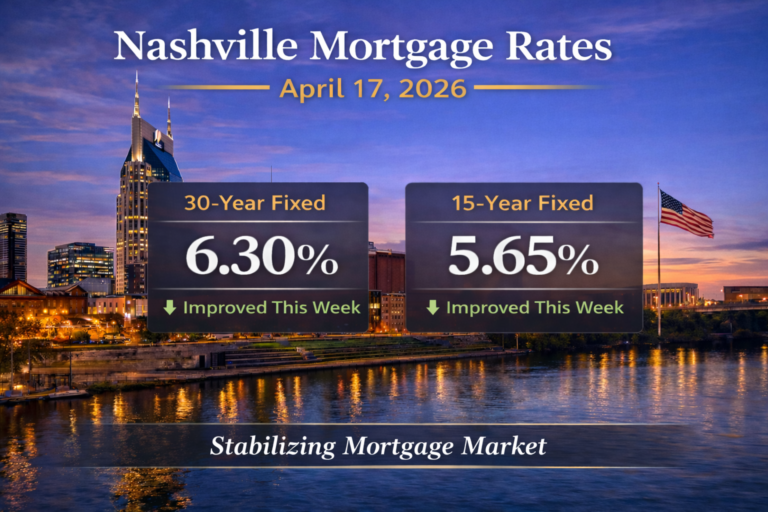
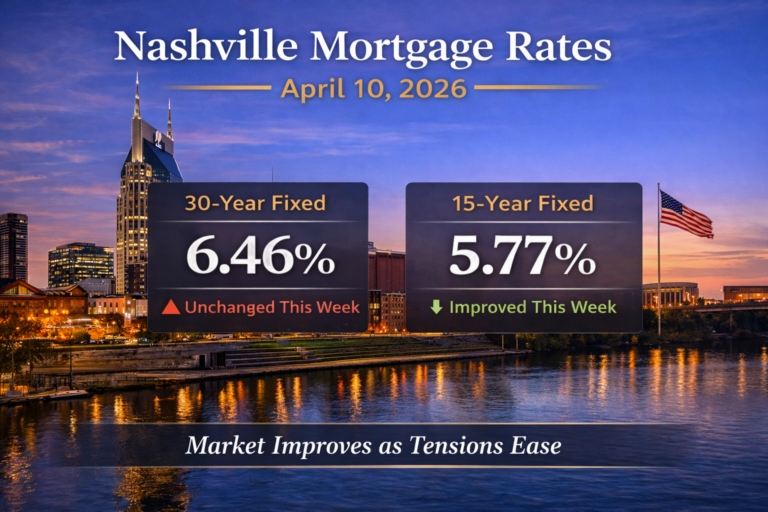
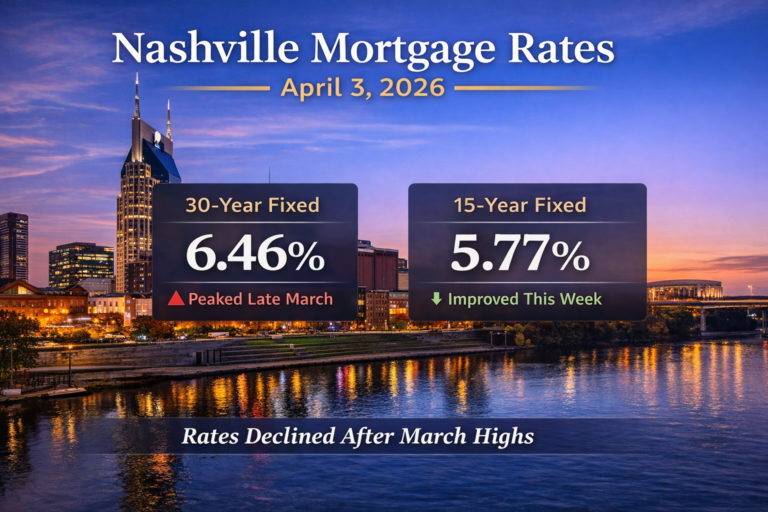
According to Freddie Mac, the 30-year fixed mortgage rate increased to 6.42%, up from 6.32% the prior week, marking a nearly nine-month high. The 15-year fixed rate rose to 6.02%, while adjustable-rate products also moved higher, with the five-year ARM climbing to 5.89% and the one-year ARM increasing to 5.19%.
Inflation Pressures Drive Rates Higher
The primary driver behind this increase was renewed concern around inflation.
Following the release of both the Consumer Price Index (CPI) and Producer Price Index (PPI) for May, investors adjusted expectations for future inflation. As inflation expectations rise, bond yields typically increase, which in turn pushes mortgage rates higher.
This shift was quickly reflected in borrower behavior. Mortgage applications declined notably, with weekly volume falling and year-over-year activity dropping even more significantly.
Impact on Buyer Activity
Rising mortgage rates tend to have an immediate effect on demand.
As borrowing costs increase, affordability declines, which can slow buyer activity and reduce overall transaction volume. This is especially true in markets that are already in transition, where buyers may be more sensitive to changes in monthly payment.
In Nashville, where inventory had been building and buyer confidence was already shifting, rate increases like this added another layer of pressure to the market.
Historical Context
This update was originally published during the late-2000s housing downturn, when inflation concerns and credit market instability were driving volatility in mortgage rates.
During this period, markets across the country were adjusting to tighter lending conditions and declining transaction volume. While some regions experienced severe corrections tied to speculative building and loose credit, Nashville entered this phase with more stable fundamentals.
That stability helped limit the downside compared to more overheated markets, even as rising rates and declining loan activity created short-term friction.
Watching Mortgage Rate Cycles
Mortgage rates move in cycles influenced by inflation, bond markets, and Federal Reserve policy.
Understanding how these forces interact is key to interpreting both short-term volatility and long-term trends. For a real-time comparison to today’s market, you can follow Nashville mortgage rates today.