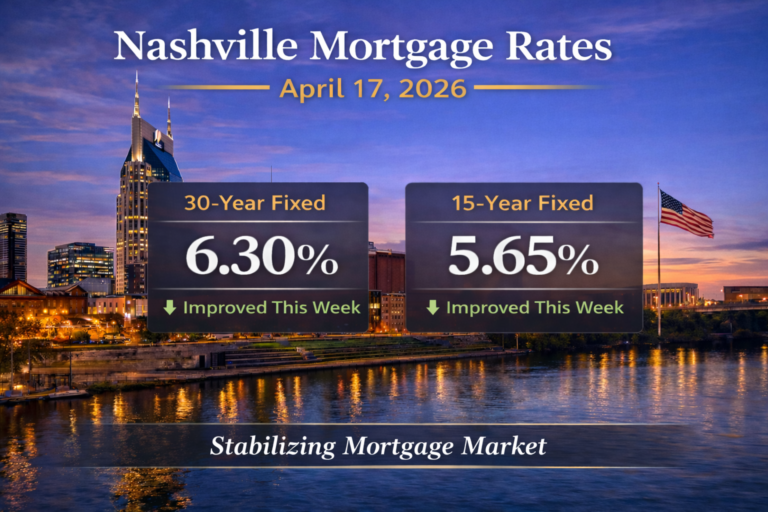
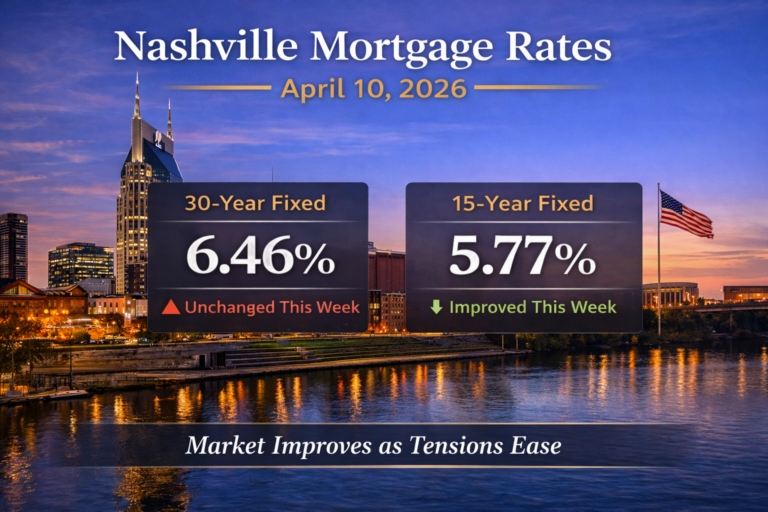
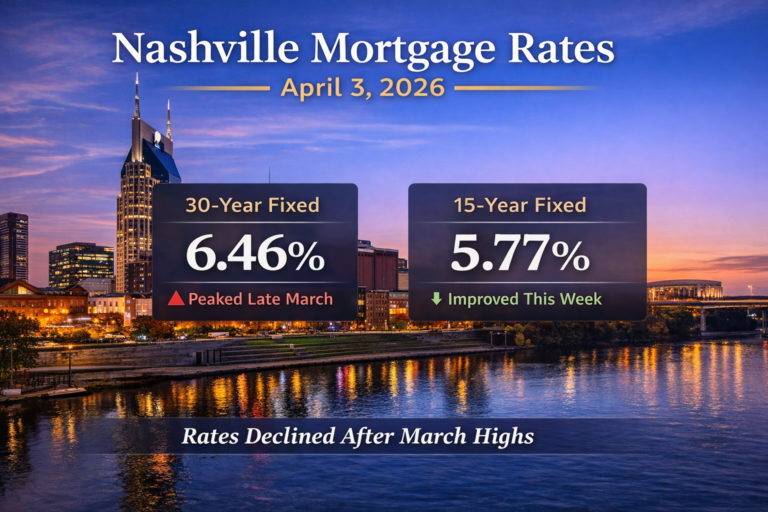
Mortgage rates moved lower during the week, reversing the sharp spike seen in the prior period.
According to Freddie Mac, the 30-year fixed mortgage rate declined to 6.04%, down from 6.46% the previous week. The 15-year fixed rate dropped to 5.72%, while adjustable-rate products showed mixed movement, with the five-year ARM easing to 6.06% and the one-year ARM rising slightly to 5.23%.
A Sharp Reversal in Rates
This decline followed one of the largest weekly increases in recent history.
Such reversals highlight how quickly mortgage rates can move during periods of financial instability. Large upward swings are often followed by partial corrections as markets adjust and reprice risk.
What This Signals About the Market
Mortgage rates are closely tied to bond market activity and investor sentiment.
When markets experience volatility, rates can overshoot in one direction and then move back toward equilibrium. This type of movement reflects uncertainty rather than a clear long-term trend.
Market Conditions at the Time
The housing market during this period remained under pressure.
Transaction volume had slowed, lending standards were tightening, and overall confidence remained fragile. Even with rates moving lower, these broader factors continued to influence buyer behavior and market activity.
Historical Context
This update was published during the peak of the 2008 financial crisis, when mortgage rates were experiencing rapid and unpredictable swings.
Short-term movements in rates were often driven by shifts in liquidity, investor positioning, and broader economic uncertainty. These conditions created a pattern of sharp increases followed by equally notable declines.
Nashville followed national trends during this time, although its underlying economic stability helped support long-term resilience.
Understanding Rate Volatility
Mortgage rate movements during volatile periods rarely follow a straight path.
Instead, they tend to move in cycles of rapid increases and corrections. Understanding this pattern is essential when interpreting short-term changes in borrowing costs.
To compare these historical movements with today’s market, you can follow Nashville mortgage rates today.