Nashville real estate developments are entering a more structured phase of growth, as large-scale capital investment and new housing supply begin to align across key submarkets.
Over the past week, three important Nashville real estate developments stood out. A $750 million renovation at Bridgestone Arena will begin this month. At the same time, developers are evaluating a Germantown site near the Adams Street corridor for redevelopment. In addition, a large residential community in Williamson County is advancing toward construction after strong homesite sales.
As a result, these developments highlight the direction of Nashville real estate market trends, where capital is concentrating in high-demand areas while developers introduce new supply selectively.
Quick Takeaways: Nashville Real Estate Developments This Week
Three developments shaped Nashville real estate developments this week and point to where the market is heading next.
$750M Bridgestone Arena Renovation Begins
• A $750 million renovation at 501 Broadway will begin, reinforcing long-term investment in Nashville’s urban core.
Germantown Redevelopment Opportunity Emerges
• Developers are evaluating a Germantown property near Adams Street for redevelopment, signaling future infill housing potential.
Wyelea Development Moves Toward Construction
• Buyers have purchased approximately two-thirds of homesites at Wyelea, positioning the Williamson County project for vertical construction.
Downtown Nashville Population Reaches 23,000
• The downtown core population has steady been climbing since the early 2000’s and has recently accelerated over the past decade.
1. $750M Bridgestone Arena Renovation Signals Long-Term Downtown Investment
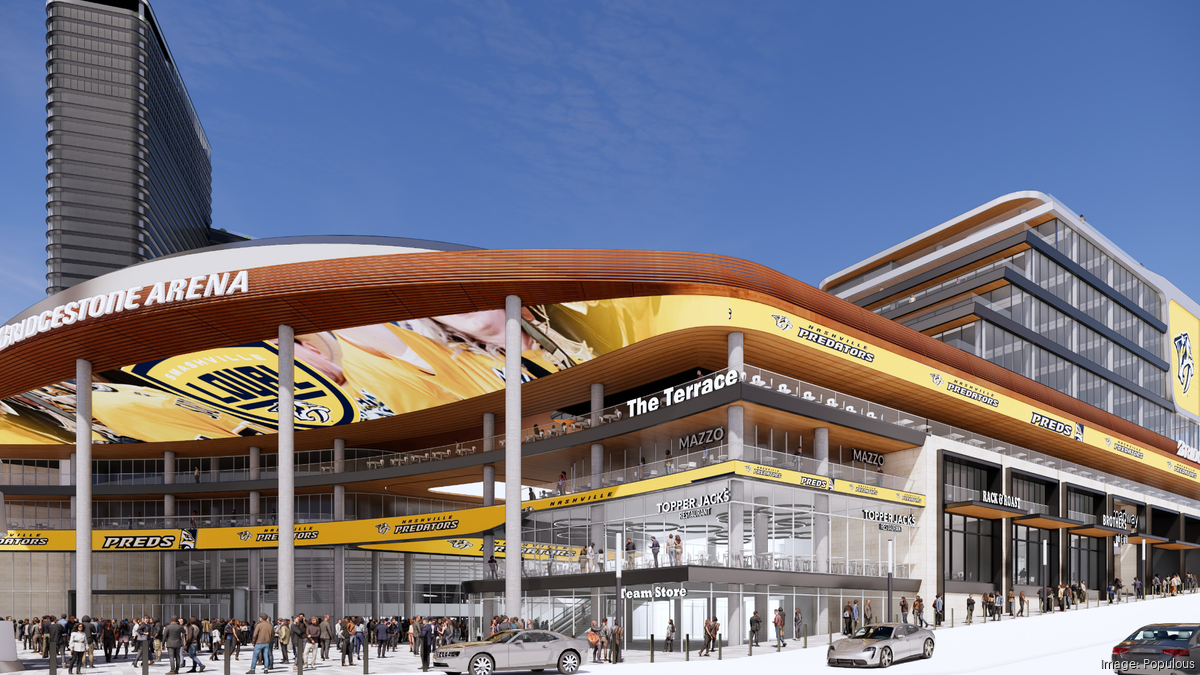
The $750 million renovation of Bridgestone Arena represents one of the largest recent investments in downtown Nashville’s entertainment district.
A $750 million renovation of Bridgestone Arena, located at 501 Broadway, will begin this month. The project ranks among the largest capital investments in downtown Nashville in recent years.
Bridgestone Arena anchors the city’s entertainment district and attracts millions of visitors annually through concerts, sporting events, and large-scale gatherings. The renovation will upgrade infrastructure, expand premium seating, and improve circulation throughout the venue.
In addition, developers and operators will phase the project over multiple years to maintain event continuity. As a result, the investment supports long-term competitiveness rather than short-term disruption.
Why This Matters for Nashville Real Estate
Large-scale investment in downtown infrastructure directly supports housing demand.
At the same time, neighborhoods such as SoBro and The Gulch continue to benefit from tourism, employment density, and entertainment-driven activity. These factors support ongoing demand for high-rise condominiums and rental housing.
Over time, sustained investment in the urban core reinforces pricing stability and long-term appreciation.
2. Germantown Property Targeted for Redevelopment
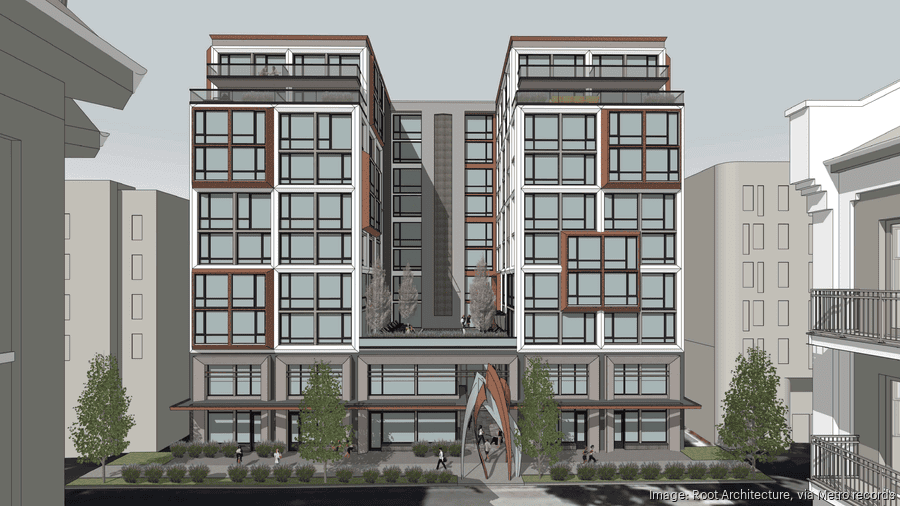
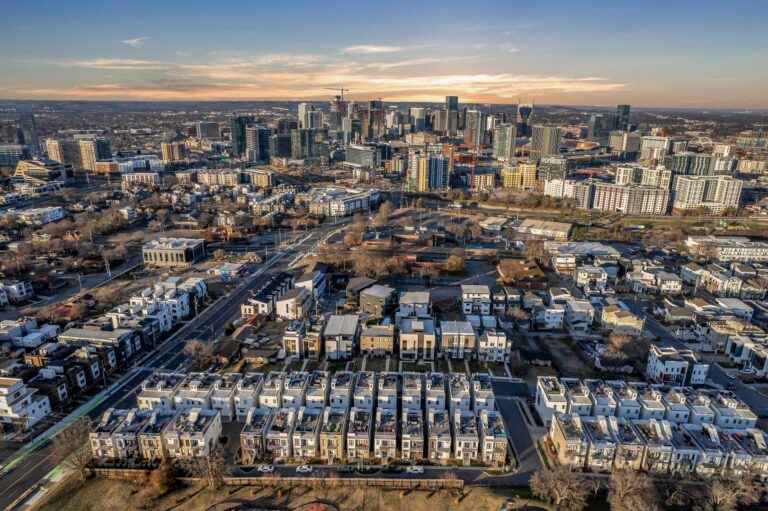
A Germantown property near Adams Street is being evaluated for redevelopment, adding potential housing supply in one of Nashville’s most competitive neighborhoods.
Developers are evaluating a Germantown property near the Adams Street corridor, within close proximity to 1316 Adams Street (Neuhoff District), for redevelopment. This site represents one of several emerging infill opportunities in a supply-constrained urban submarket.
In particular, Germantown sits just north of downtown and directly adjacent to the East Bank, where billions of dollars in development are expected over the next decade. The neighborhood has evolved into one of Nashville’s most desirable areas due to its walkability, proximity to employment centers, and established retail base.
Developers typically reposition properties in this area into multifamily or mixed-use projects that increase residential density and maximize land value.
Why This Matters for Nashville Real Estate
Infill redevelopment is one of the primary ways new housing supply enters the urban core.
Unlike suburban developments, which can add inventory at scale, neighborhoods like Germantown depend on the conversion of existing sites. As a result, each redevelopment project carries outsized influence on supply and pricing.
Over time, these Nashville real estate developments contribute to increased housing inventory, higher pricing benchmarks, and sustained demand for walkable urban living.
3. Wyelea Development Advances Toward Construction in Williamson County
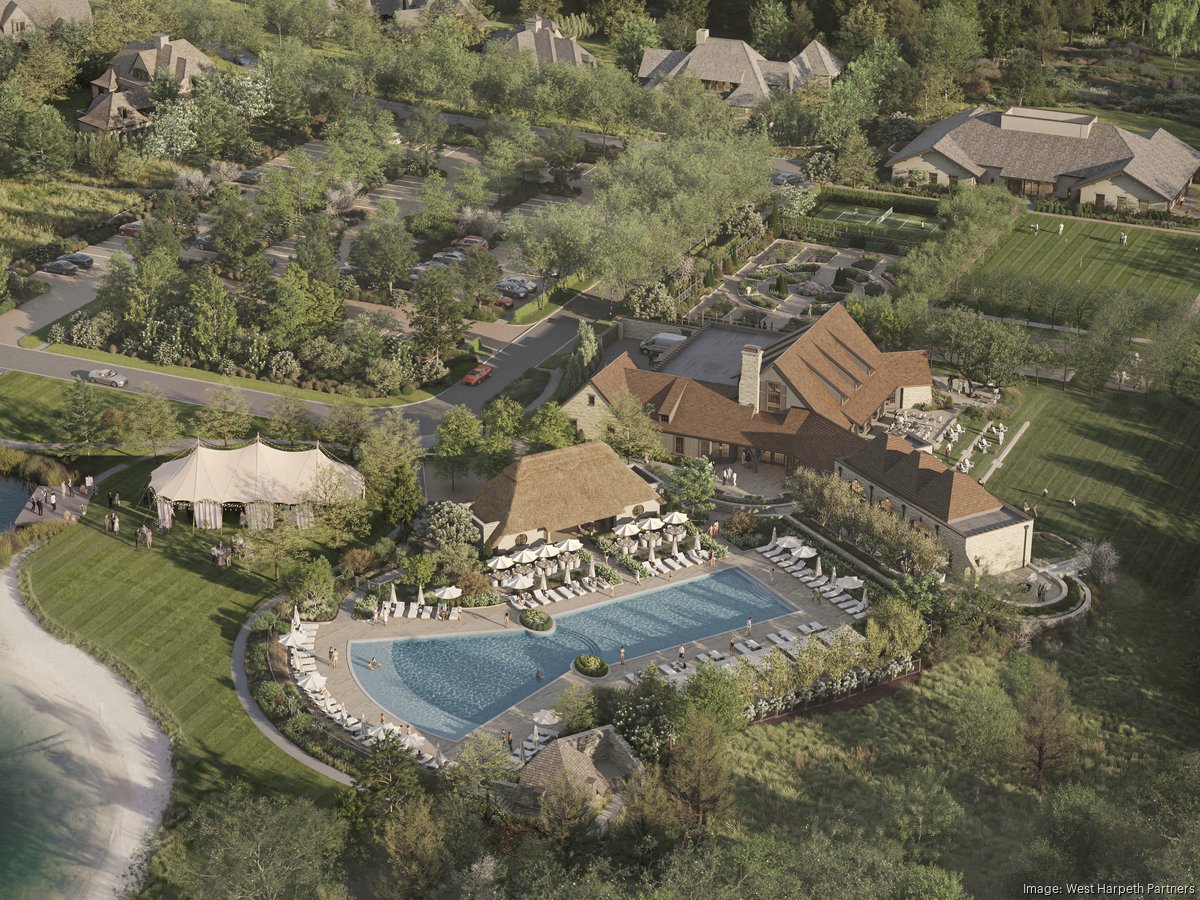
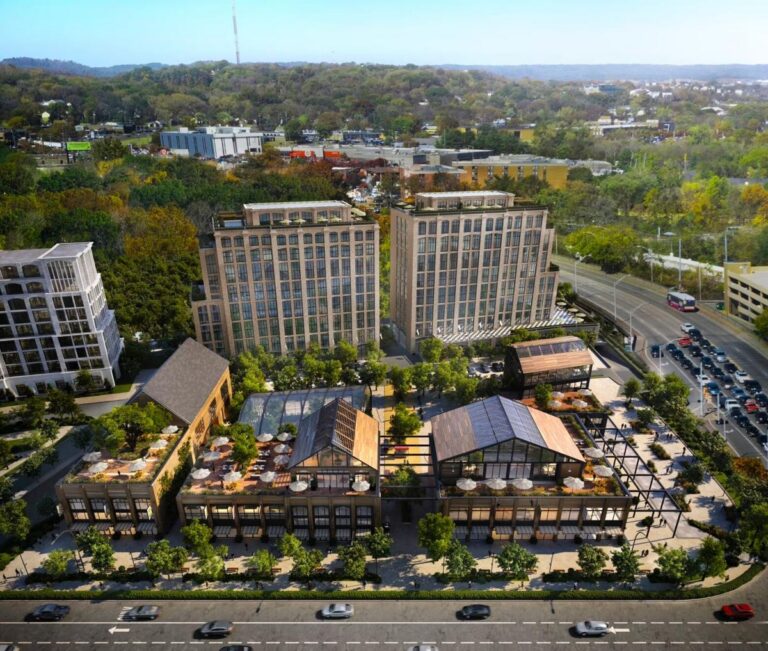
Wyelea in Williamson County is moving toward construction as strong homesite sales signal continued demand for high-end suburban housing.
The Wyelea development in Williamson County is moving closer to construction as buyers have purchased approximately two-thirds of its homesites.
Developed by West Harpeth Partners, Wyelea is located in the Franklin area and represents a large-scale residential community focused on higher-end housing. The project will include larger lots, open space, and amenity-driven design.
As a result, strong absorption indicates that buyer demand remains sufficient to support vertical construction. This milestone reduces developer risk and accelerates the project timeline.
Why This Matters for Nashville Real Estate
The pace of lot sales confirms continued strength in Williamson County, one of the most supply-constrained and highest-income submarkets in Middle Tennessee.
At the same time, new construction will gradually expand housing inventory. However, demand remains strong enough to support pricing in premium suburban markets.
Bonus Insight: Downtown Nashville Population Reaches 23,000
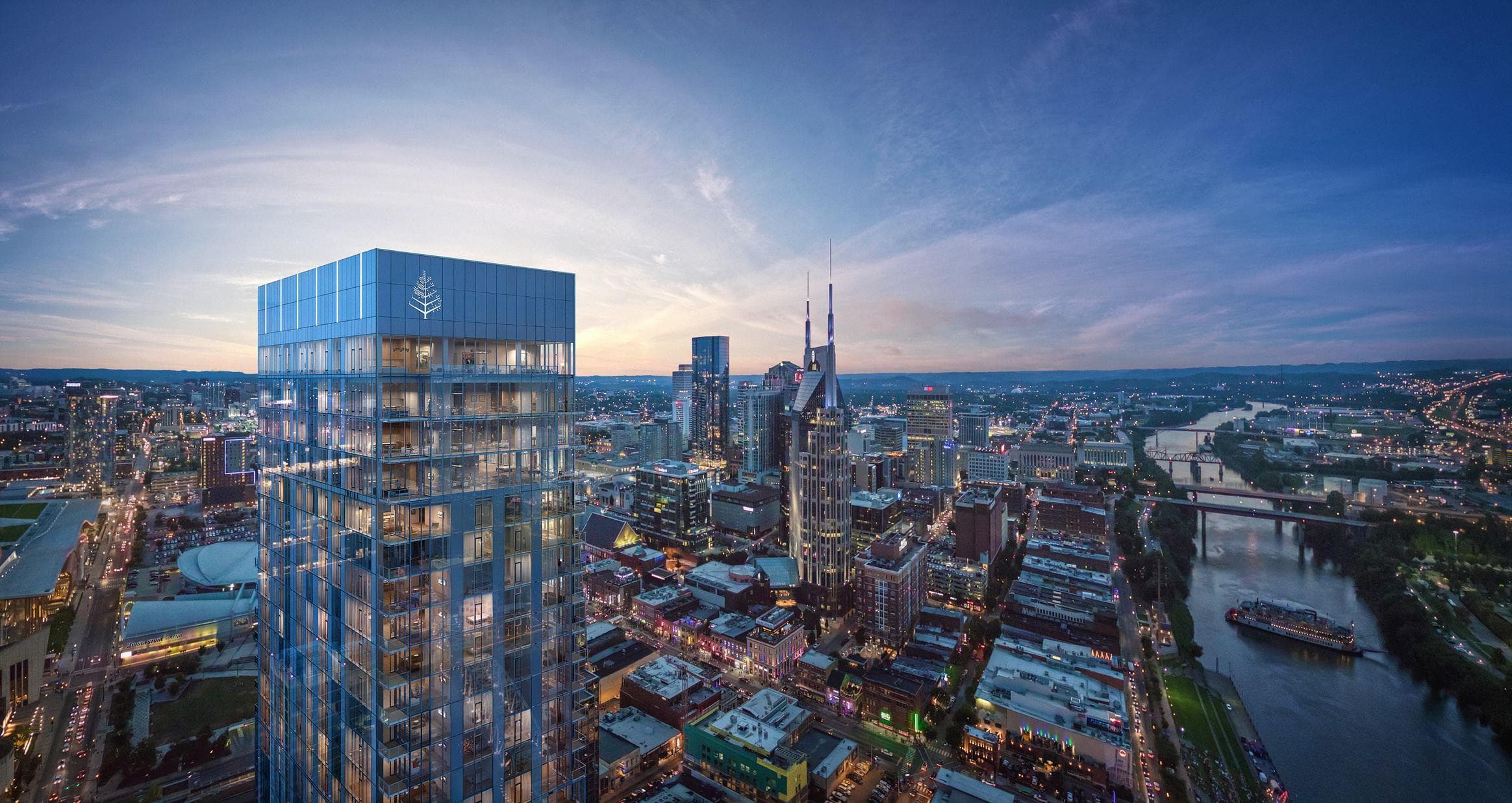
Downtown Nashville’s population has grown to approximately 23,000 residents, supporting continued demand for high-rise housing and urban living.
Downtown Nashville’s population has reached approximately 23,000 residents, reflecting continued absorption of new residential development.
More importantly, this growth reflects sustained demand for urban living near employment, entertainment, and walkable amenities.
A growing downtown population remains one of the clearest indicators of long-term housing demand.
Why This Matters
Population growth is one of the clearest indicators of housing demand.
As more residents move into the urban core, it supports rental occupancy, pricing, and the feasibility of future development.
Nashville Real Estate Market Outlook
Recent Nashville real estate developments point to a market that is expanding in a more structured and location-specific way.
Investors are deploying capital into the urban core, as seen with the Bridgestone Arena renovation. At the same time, developers are introducing new supply through infill redevelopment in neighborhoods such as Germantown.
In parallel, suburban developments like Wyelea are moving into construction phases, reflecting continued demand in high-income areas.
Residential Market Implications
For the Nashville housing market, these trends suggest continued growth with increasing segmentation.
On one hand:
- Supply is increasing gradually
- New construction is moving forward
On the other:
- Demand remains concentrated near employment centers
- Population growth continues to support absorption
A balanced housing market typically includes approximately six months of inventory, where neither buyers nor sellers hold a clear advantage.
Over a 12 to 24 month horizon, the most likely outcome is:
- Continued population-driven demand
- Slower but still positive price growth
- Limited new inventory in high-demand areas
- Widening performance gaps between submarkets
As a result, Nashville real estate developments will continue to shape a market that is increasingly driven by location, access, and long-term capital investment.