
Signature Tower in Downtown Nashville
A 2009 article from the Nashville Scene examined the track record and current challenges facing Tony Giarratana, placing particular focus on the stalled Signature Tower Nashville and the proposed May Town Center project.
The Core Issue: Timing and Scale
Large-scale developments are highly sensitive to market cycles.
Projects like Signature Tower were conceived during a period of strong demand, accessible capital, and rising condo absorption. By 2009, those conditions had shifted significantly, making execution far more difficult.
Development Risk in Changing Markets
The article raises questions about execution risk.
High-profile projects require alignment between financing, buyer demand, and construction timelines. When any one of those variables breaks down, projects can stall or require major revisions.
In this case, evolving plans, financing challenges, and shifting market conditions all contributed to delays.
Track Record vs Market Conditions
Giarratana’s career reflects both successful and challenged developments.
Projects such as the Viridian Nashville and Encore Nashville demonstrated strong absorption during favorable cycles. However, earlier projects and more recent proposals illustrate the variability that comes with large-scale urban development.

Lobby of Giarratana’s Signature Tower
The Role of Vision in Urban Growth
Ambitious projects often define a city’s trajectory.
Developers willing to pursue large, complex projects can reshape skylines and accelerate urban density. At the same time, these projects inherently carry higher risk, particularly when market conditions shift mid-development.
Signature Tower as a Case Study
Signature Tower became a focal point for debate.
Originally envisioned as one of the tallest buildings in the region, the project underwent multiple revisions and delays. Financing constraints and reduced condo demand played a central role in its inability to move forward during this cycle.
Broader Implications for Nashville
The discussion reflects a larger question about growth strategy.
Cities like Nashville must balance ambition with market realities. Large developments can create long-term value, but they also require stable economic conditions and sustained demand to succeed.
Historical Context
This reflects 2009, when the real estate market was under pressure from the financial crisis.
Many large-scale developments across the country faced similar challenges, particularly those dependent on pre-sales and high leverage.
Why This Still Matters
Development cycles are a key part of long-term market evolution.
Understanding how timing, financing, and demand interact helps explain why some projects succeed while others stall. These dynamics remain relevant in evaluating future large-scale developments.
For a broader look at how development, pricing, and market cycles interact, explore Nashville real estate market analysis.

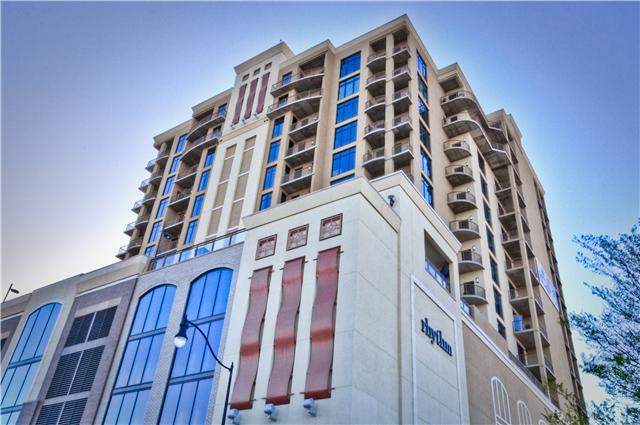
Views From Top of Signature Tower



August 10, 2009, 6:43 pm
Tony told a group of young professionals (I was there) that he was paid $2 million up front to do the May Town Center. He is fighting tooth and nail for his backer to save face. Plain and simple. Tony G definitely over reached with Signature but I don’t blame him for trying to bring prominence back to downtown Nashville. His vision is to bring investment and big time companies into downtown and not lose them to Cool Springs, and I applaud that goal. He is a great salesman and visionary but unfortunately these two projects are really putting a strain on his reputation going forward.
August 10, 2009, 11:43 am
Tony told a group of young professionals (I was there) that he was paid $2 million up front to do the May Town Center. He is fighting tooth and nail for his backer to save face. Plain and simple. Tony G definitely over reached with Signature but I don’t blame him for trying to bring prominence back to downtown Nashville. His vision is to bring investment and big time companies into downtown and not lose them to Cool Springs, and I applaud that goal. He is a great salesman and visionary but unfortunately these two projects are really putting a strain on his reputation going forward.
August 11, 2009, 10:06 pm
September 9, 2009, 1:10 pm
September 16, 2009, 5:11 pm
October 4, 2009, 2:07 pm
July 11, 2010, 11:44 pm
You can still be a savvy car loan shopper with chapter 7 bankruptcy bad credit by shopping around for the lowest rates. Online auto loan lenders are finding that to compete, they have to offer lower rates than neighborhood banks. They are also able to reduce fees by using technology to eliminate overhead costs.