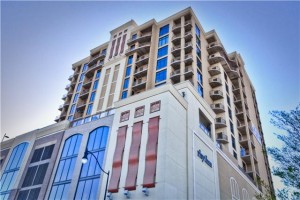
Condos and Urban Living

Condos and urban living decisions center on location, lifestyle alignment, building quality, and long-term value rather than purely on short-term market movement. Buyers evaluate pricing, homeowners association governance, monthly dues, building reserves, walkability, and proximity to employment and amenities to determine whether a property supports both lifestyle and financial goals. These factors often vary significantly by building and neighborhood, which makes local context essential.

This category examines condominium and urban living strategy and analysis with a focus on how buyers, sellers, and investors make disciplined decisions across different market environments. Articles published here explore condo market performance, HOA structures, urban development patterns, pricing dynamics, and building-specific considerations, with specific attention to how these dynamics play out in Nashville’s urban core and surrounding high-density neighborhoods.

Written from the perspective of a Nashville real estate professional actively engaged in advising buyers, sellers, and investors in urban markets, this collection helps readers understand how condominiums perform over time, how lifestyle considerations interact with pricing and risk, and why building-level and neighborhood factors often shape outcomes more than citywide averages.

Condos and Urban Living at a Glance

Key considerations that shape condominium and urban living decisions include the following:

  • Pricing and value are influenced by building quality, unit mix, and location within the urban core.
  • HOA governance, reserve funding, and monthly dues affect long-term ownership costs.
  • Urban demand varies by walkability, transit access, and proximity to employment and amenities.
  • New development and renovation cycles influence supply, competition, and resale performance.
  • Nashville’s urban condo markets show distinct patterns shaped by neighborhood character and development intensity.

Condo Market Fundamentals

Core principles that guide pricing analysis, demand trends, and long-term performance in condominium and urban residential real estate.

HOA Structures & Ownership Considerations

Analysis of homeowners association governance, financial health, reserve studies, rules, and how HOA structures influence risk, costs, and resale outcomes.

Market Cycles & Urban Development Trends

Evaluation of how development pipelines, interest rates, and economic conditions shape condominium market behavior, including neighborhood-level differences across Nashville’s urban core.

Location, Walkability & Neighborhood Dynamics

Insight into how walkability, transit access, neighborhood amenities, and surrounding development influence demand, pricing, and long-term value in Nashville-area condo and urban living markets.

Common Questions & Answers

What defines a condominium?

A condominium is an individually owned residential unit within a shared building or development, where owners collectively manage common areas through a homeowners association.

How do buyers evaluate condominium properties?

Buyers assess pricing, HOA governance, dues, building condition, location, and long-term resale potential. Lifestyle fit and building-specific factors often carry as much weight as financial considerations.

How do local markets like Nashville affect condominium performance?

Local development activity, employment concentration, zoning, and neighborhood amenities often influence condominium demand more than national trends. In Nashville, urban submarkets behave differently based on walkability and supply.

How do interest rates affect condo markets?

Interest rates influence affordability, buyer demand, and pricing sensitivity. Condos can be more rate-sensitive than single-family homes due to buyer profiles and financing structures.

Why does location matter so much for urban living?

Location affects walkability, access to employment and amenities, noise levels, and long-term desirability. Building placement within a neighborhood often determines demand and resale performance.

Below you will find the latest articles and analysis published within the Condos and Urban Living category.

Rhythm at Music Row Condos
Rhythm Condos at Music Row Surge in 2012
|
Rhythm Condos at Music Row surged in 2012 as Nashville's condo market recovery gained momentum, with transaction volume and pricing rising across...
City Living
City Living Versus Suburban Living
|
City living versus suburban living in Nashville compares downtown condo life to suburban home ownership in Brentwood, Franklin, and surrounding Williamson County...
Buy Luxury Homes Nashville
Deadline to Challenge Davidson County Property Taxes
|
Davidson County property owners can challenge their assessed value before the appeal deadline, potentially reducing annual property tax obligations on Nashville condos...
Featured property Nashville
The Encore Condos in Downtown Nashville Sold Out
|
The Encore condos in downtown Nashville reached sellout as the building completed its post-recession recovery, establishing stable pricing benchmarks for the downtown...
The Echo Restaurant Era Begins in Encore Condos
|
The Echo restaurant at Encore Condos in downtown Nashville marked a new era for the building's retail component, adding dining amenity value...
Rhythm at Music Row Condos Sold Out
|
Rhythm at Music Row condos sold as Nashville's urban residential market gained strength, with the Music Row corridor attracting buyers seeking proximity...
Sales Update for the 5th & Main Condos Nashville
|
5th and Main condos in Nashville recovered as FHA financing expanded buyer access and inventory declined.