
In late 2008, a foreclosure suspension in Nashville and across the United States helped temporarily stabilize housing conditions as Fannie Mae and Freddie Mac paused foreclosures and evictions on occupied single-family homes. This foreclosure suspension was implemented during one of the most volatile periods in the housing market.
This type of intervention directly impacts housing supply and pricing behavior, which is a critical component of the broader Nashville real estate market and how it responds to economic stress.
Foreclosure Suspension in Nashville: A Temporary Pause
The directive halted foreclosure sales and eviction proceedings from November 26, 2008 through January 9, 2009. The goal of this foreclosure suspension in Nashville and nationwide markets was to provide immediate stability for homeowners while lenders and policymakers worked through a rapidly increasing number of defaults.
While this offered temporary relief, it did not eliminate distressed inventory. It simply delayed it.
Why Foreclosures Were Rising
At the time, falling home values, tightening credit conditions, and rising unemployment were pushing more homeowners into distress. As mortgage defaults increased, foreclosure activity accelerated across the country.
Without intervention, a larger wave of properties would have entered the market in a shorter period of time, putting additional pressure on home prices.
Impact of the Foreclosure Suspension on Nashville Housing Supply
In Nashville, foreclosure activity was present but more controlled than in many overbuilt markets. Even so, the foreclosure suspension influenced the timing of inventory entering the market.
By pausing foreclosure actions, the visible supply of distressed homes was temporarily reduced. This created a lag effect where inventory built up behind the scenes and entered the market later.
This pattern is consistent with broader housing market trends, where supply shocks often appear delayed rather than immediate.
What Buyers and Investors Should Understand
Foreclosure suspension policies can create short-term stability, but they often extend the timeline of a market correction. For buyers and investors, this means opportunities tied to distressed inventory may appear later rather than sooner.
Understanding how policy affects timing is just as important as understanding pricing. Supply that is delayed still impacts the market, just on a different schedule.
Why Foreclosure Suspension Still Matters Today
Temporary foreclosure suspensions are still used during periods of economic stress. They influence how quickly inventory enters the market and how pricing adjusts over time.
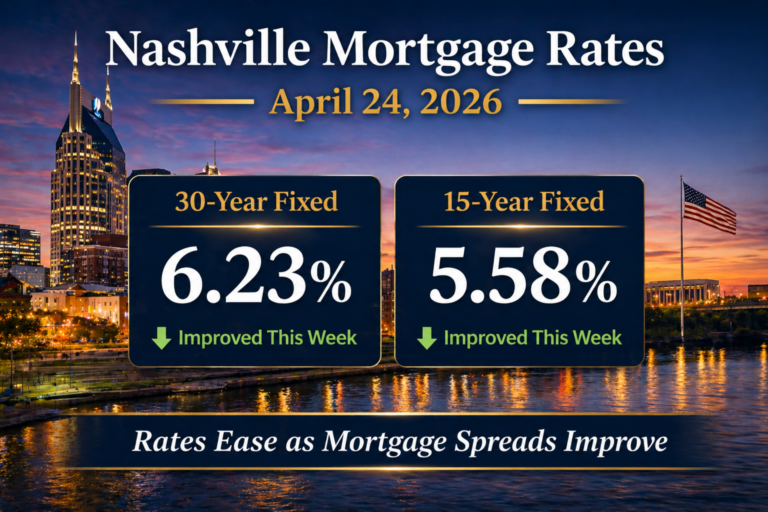
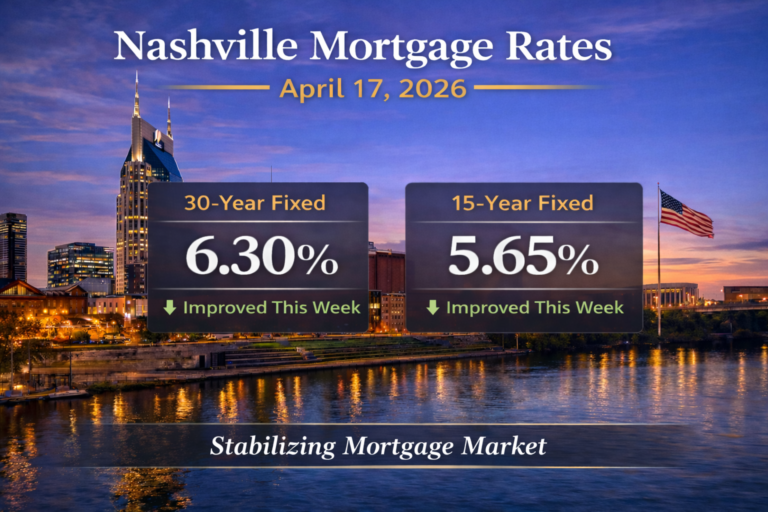
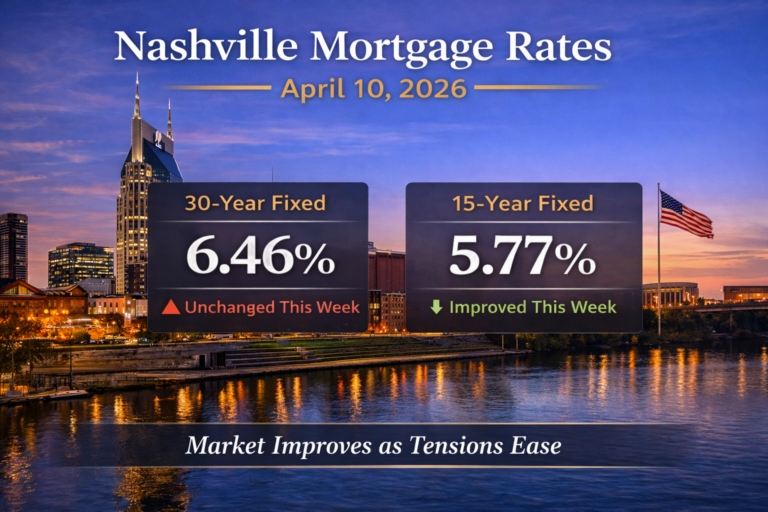
For a deeper understanding of how financing conditions shape housing demand, see Nashville mortgage rates and financing.

September 14, 2009, 5:42 pm