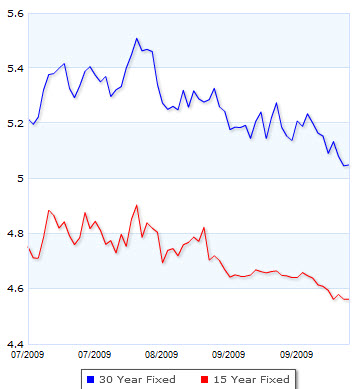
Nashville mortgage rates approaching record lows in 2009 created a unique moment for buyers. Financing costs declined while distressed inventory remained elevated, improving overall affordability.
According to Freddie Mac, the average 30-year fixed mortgage rate fell to 4.94% during the week ending October 1. This marked the first time since May that rates dropped below 5%.
The 15-year fixed mortgage rate declined further to 4.36%, reaching an all-time low. These shifts had a direct impact on buyer activity within the Nashville real estate market.
Nashville Mortgage Rates Approaching Record Lows
Falling rates were largely driven by Federal Reserve policy. At the time, the Fed was purchasing $1.2 trillion in mortgage-backed securities. This intervention helped push borrowing costs lower across the market.
Lower rates increase purchasing power. Buyers can afford more home for the same monthly payment, which often supports demand during uncertain economic conditions.
Foreclosures and Delinquencies Continue to Rise
While mortgage rates improved, housing fundamentals remained mixed. Foreclosures and delinquencies were still increasing across the country.
At the same time, loan modification programs were slowing down. Many federal initiatives were expiring, and their effectiveness had been limited.
This created a disconnect between improving financing conditions and ongoing distress in the housing market.
Why Rising Foreclosures Did Not Push Rates Higher
In many cases, rising foreclosure activity can be viewed as a negative signal. However, clearing distressed inventory can also stabilize the financial system.
As banks liquidate non-performing assets, they free up capital. That capital can then be used to issue new loans.
This process can improve lending capacity over time, even as short-term distress remains elevated.
What This Meant for Nashville Buyers
For buyers with strong credit, this environment created opportunity. Mortgage rates were near historic lows, and pricing pressure from distressed inventory increased negotiating leverage.
This combination improved affordability and expanded the range of available properties.
These dynamics align with broader housing market trends, where financing conditions and supply cycles interact to shape buyer behavior.
Why This Still Matters
Periods where mortgage rates decline while supply increases are rare. When they occur, they can create favorable conditions for buyers.
Understanding how Federal Reserve policy, mortgage rates, and distressed inventory interact provides valuable context for evaluating market cycles.
For more financing insights, explore Nashville mortgage rates and financing.

October 6, 2009, 5:48 pm