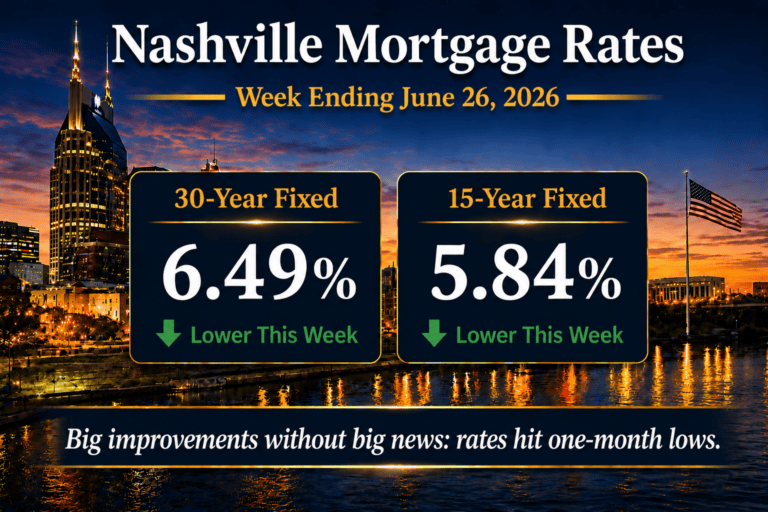
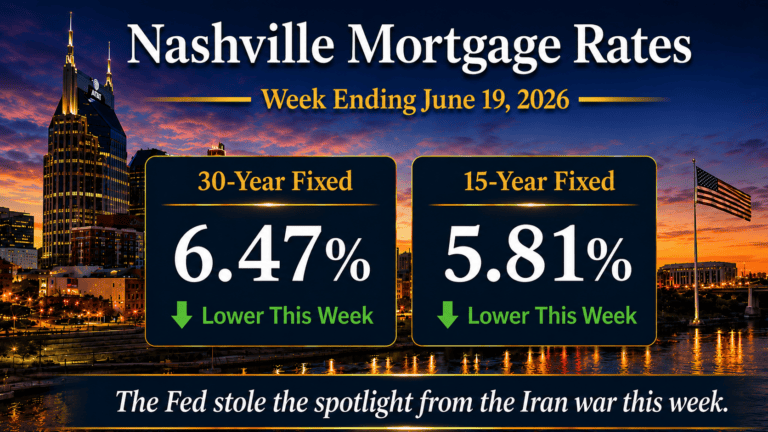
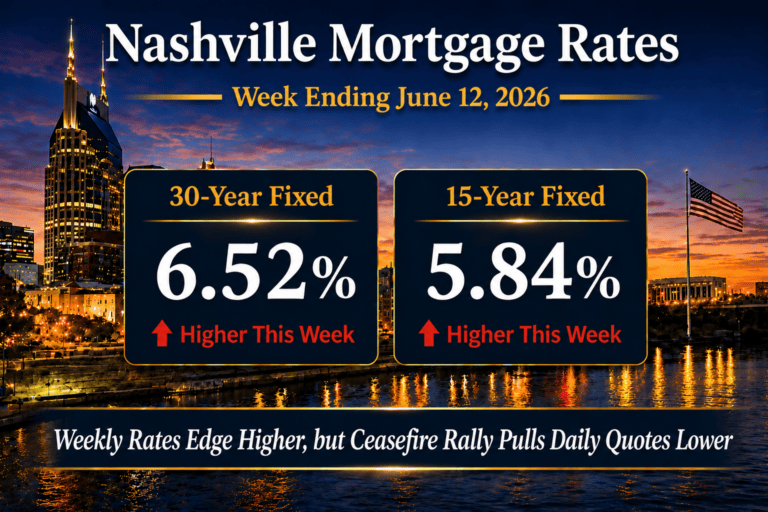
Mortgage rates moved slightly higher during the week ending January 22, marking the first increase after an extended period of decline.
According to Freddie Mac, the 30-year fixed mortgage rate rose to 5.12%, up from 4.96% the prior week. This was the first increase following 11 consecutive weeks of declines.
The 15-year fixed rate increased to 4.80%, while adjustable-rate products showed mixed movement. The one-year ARM rose to 4.92%, and the five-year ARM edged slightly lower to 5.24%.
A Pause After a Historic Decline
This increase represents a shift following one of the most significant rate declines in modern housing history.
After falling below 5% and reaching multi-decade lows, mortgage rates began to stabilize. Small upward movements like this are common after extended downward trends, as markets adjust to new conditions.
What This Signals About the Market
Mortgage rates rarely move in a straight line.
Following periods of rapid decline, markets often experience short-term increases or stabilization phases. These movements reflect changing expectations around inflation, economic conditions, and investor behavior.
Still Near Historic Lows
Despite the increase, borrowing costs remained historically low.
Rates in the low-5% range continued to represent a significant improvement compared to prior years. This level of affordability was a key feature of the early 2009 housing environment.
Market Conditions at the Time
Even with lower mortgage rates, housing activity remained influenced by broader economic factors.
Lending standards were still tight, and overall confidence had not fully recovered. As a result, rate movements alone were not enough to drive immediate increases in transaction volume.
Historical Context
This update reflects early 2009, a transitional phase following the most volatile period of the housing crisis.
Mortgage rates had declined rapidly due to policy intervention and market conditions. The slight increase seen here represents an early stabilization phase, where rates began to move more gradually after reaching historic lows.
Nashville followed these national trends, with its more stable fundamentals supporting a measured recovery path.
Understanding Rate Cycles
Mortgage rates move through cycles of decline, stabilization, and eventual normalization.
Short-term increases following extended declines are a typical part of that cycle. Understanding these phases helps provide context for interpreting both weekly movements and long-term trends.
To compare these historical levels with today’s market, you can follow Nashville mortgage rates today.