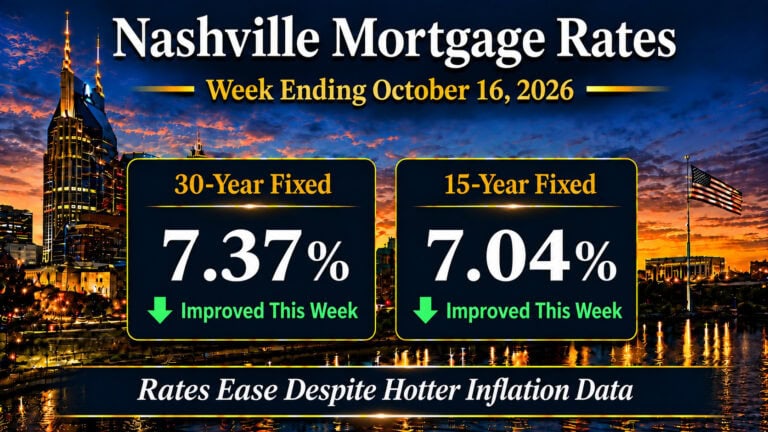
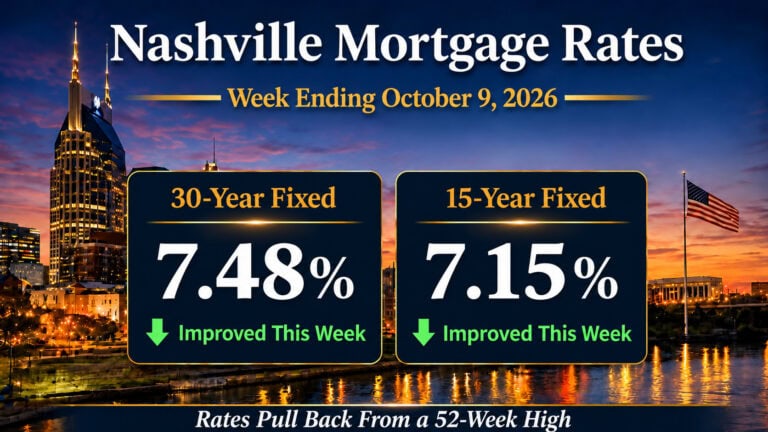
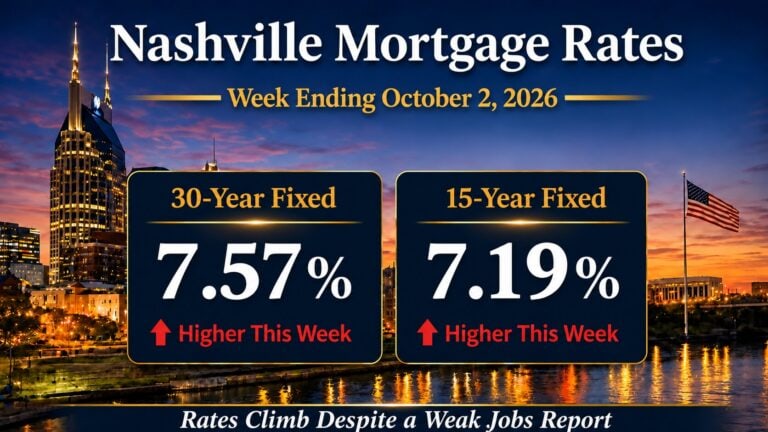
Freddie Mac reported that the 30 year fixed rate mortgage declined slightly to 5.67% from 5.68% during the week ending February 7. The 15 year fixed rate also eased to 5.15% from 5.17%.
Adjustable products moved lower as well. The five year adjustable rate mortgage declined to 5.21% from 5.32%. The one year adjustable rate mortgage slipped to 5.03% from 5.05%.
Even small rate declines can influence refinancing activity and borrower behavior.
Why lower mortgage rates can trigger refinancing activity
The Mortgage Bankers Association reported a 3% increase in total home loan applications during the same period. Year over year, application volume rose 73%, driven largely by refinancing.
Purchase loan requests increased 12%, while refinance applications expanded significantly compared to prior months. When rates fall, borrowers often revisit existing loans to reduce monthly payments or shorten loan terms.
However, refinancing cycles depend on more than short term rate dips. Borrower equity levels, credit conditions, and economic confidence also influence participation.
What rising application volume means for Nashville real estate
Increases in national mortgage applications can signal renewed borrower engagement. However, local housing markets respond to their own fundamentals.
Nashville real estate activity often reflects regional employment growth, migration patterns, and urban development trends. Strong local demand can amplify the effect of favorable financing conditions.
At the same time, application spikes do not guarantee sustained market acceleration. Refinancing waves frequently peak and normalize once borrowers capture available savings.
Monitoring Nashville mortgage rates alongside application trends helps provide context for broader housing momentum across Middle Tennessee.