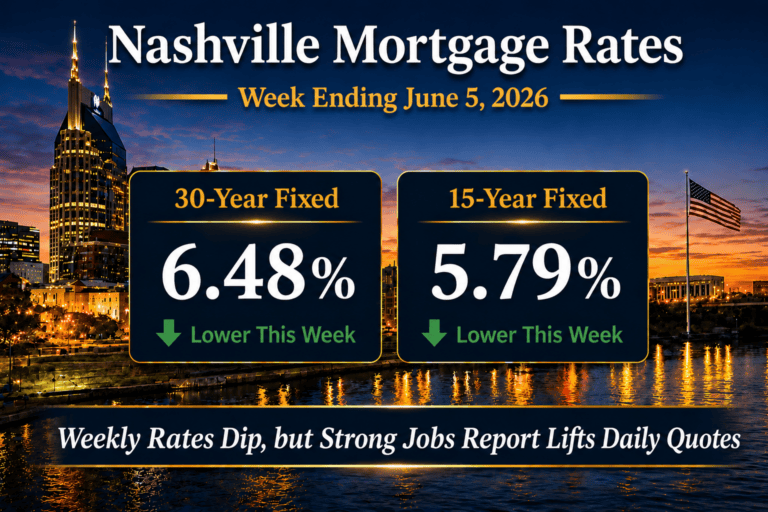
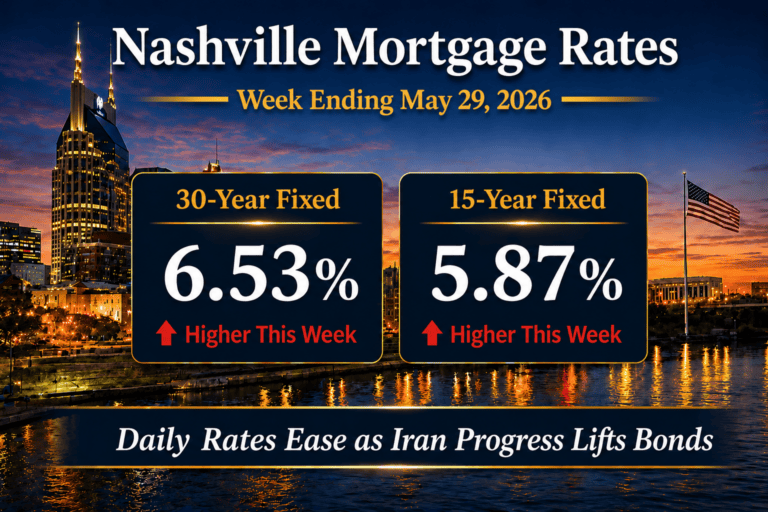
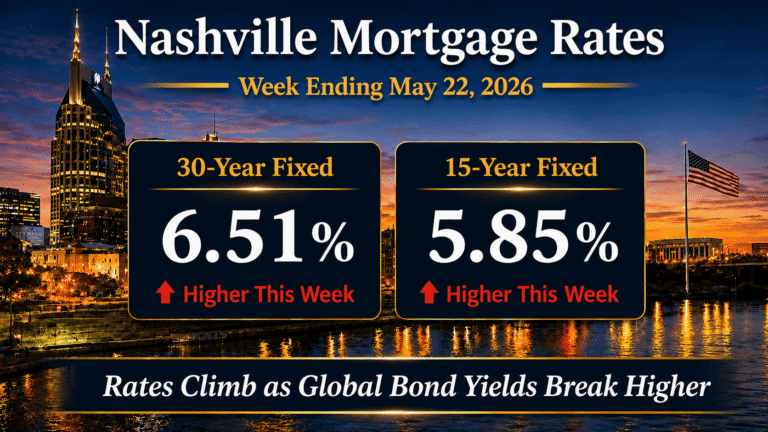
Freddie Mac reported that the 30 year fixed mortgage rate increased slightly to 6.34% from 6.31% the prior week. One year earlier, the 30 year rate averaged 6.40%.
The one year adjustable mortgage rate declined marginally to 5.65%.
Historical Context
This article was originally published during the mid 2000s housing cycle transition. The figures below reflect mortgage and Federal Reserve policy conditions during that period.
Short Term Versus Long Term Rate Movement
The Federal Reserve reduced the federal funds rate to 4.75%, a move expected to reduce volatility in short term borrowing costs. However, mortgage rates do not always track short term policy adjustments directly.
Long term mortgage pricing is more closely tied to Treasury yields and investor expectations about inflation and growth. As a result, a Fed rate cut may compress short term rate volatility while longer term mortgage rates move more gradually.
For a broader explanation of how policy decisions and bond markets influence financing costs, review our Nashville mortgage rates today page.
Volatility Compression and Market Adjustment
After periods of rate swings, policy clarity can temporarily stabilize financial markets. Reduced volatility often allows lenders to price loans with greater consistency, even if absolute rate levels remain elevated relative to prior cycles.
Mortgage stability during transitional housing markets can help moderate abrupt shifts in buyer and seller expectations. Longer term direction ultimately depends on inflation trends, employment growth, and credit market liquidity.