Published: May 31, 2026 by Grant Hammond
I’ve been telling clients all spring that two things are happening at the same time. The macro housing cycle is finally turning after three years of stuck. And Nashville’s downtown is being rebuilt from the river out. This week made both visible. The three biggest Nashville real estate stories show that thesis from three angles. NAR’s chief economist called the start of a multiyear recovery from the Nashonomics stage. The Fallon Co. broke ground next to the new Titans stadium. And Metro’s Planning Department started rewriting the rules my developer clients have used for fifteen years.
Quick Takeaways: Nashville Real Estate Stories This Week
- Yun calls a multiyear recovery: NAR Chief Economist Lawrence Yun told the Nashonomics audience that 6.5% rates plus pent-up demand mark the start of a multiyear housing recovery, not a one-year bounce.
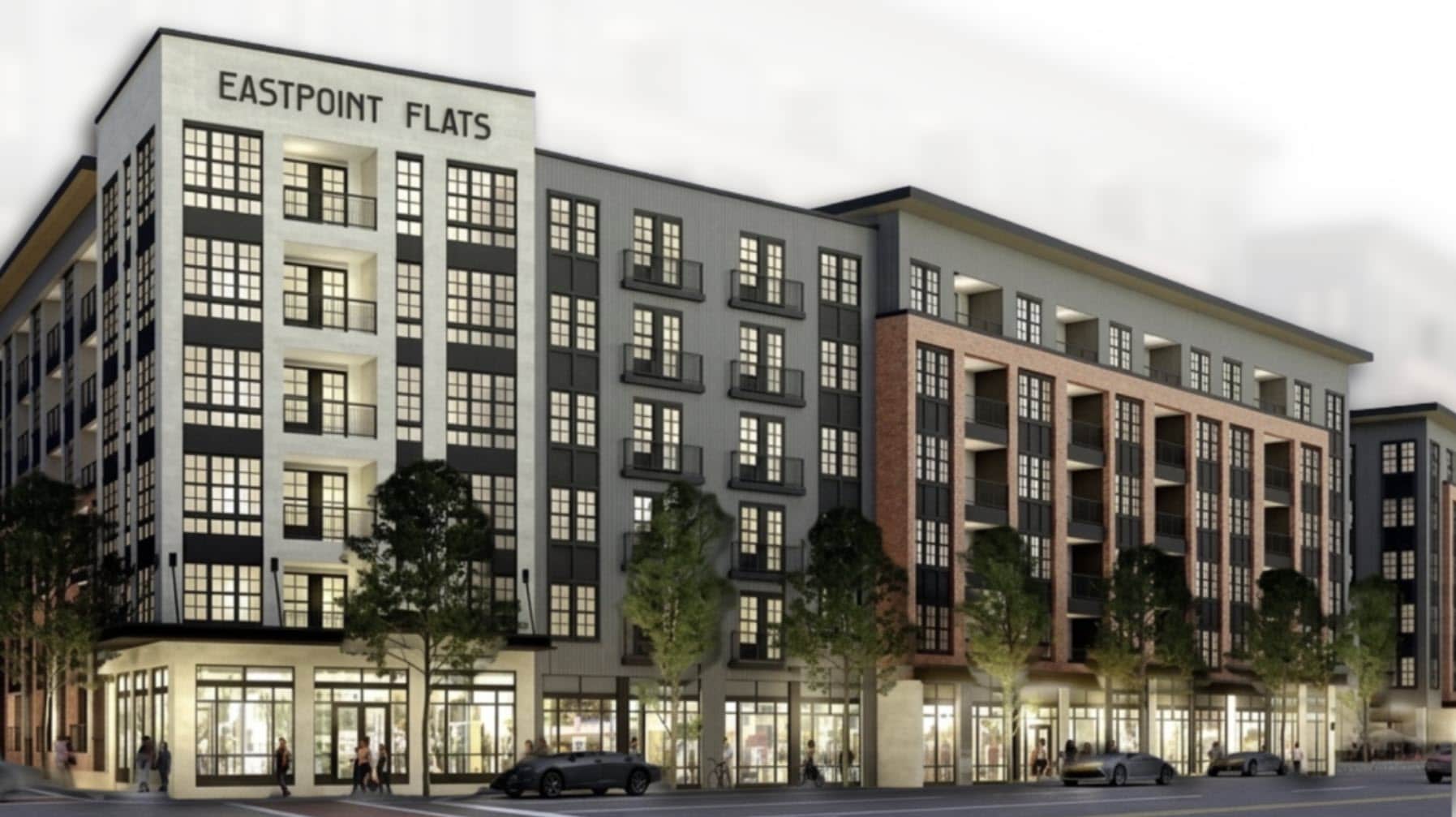
- East Bank breaks ground: Fallon Co. and Elmington Capital kicked off Eastpoint Flats, a 323-unit affordable housing project at 501 South Second Street. It is the first vertical project in Fallon’s 30-acre Eastpoint vision around the new Titans stadium.
- Planning Department rewrites the playbook: Metro’s Design and Development Strategy now covers nearly 3,000 acres across downtown, East Bank, Music Row, and Midtown. An air rights program is on the table for the first time.
- Bonus: Thunderbird Social Club filed a permit for the former Barista Parlor space at 1230 Fourth Avenue North, adding another bar to Germantown’s hospitality pipeline.
1. NAR Chief Economist Lawrence Yun Calls Nashville the Start of a Multiyear Housing Recovery
I sit at Nashonomics every year for one reason. The room is full of agents who actually close in this market. Lawrence Yun’s data forces me to update my client conversations for the next two quarters. This week’s read was sharper than usual.
Yun told the Greater Nashville Realtors audience that 6 percent is the magic mortgage rate. That is the level where buyers come off the sidelines. Even at the current 6.5 percent, he sees the start of a multiyear housing recovery rather than a one-year bounce. He revised his 2026 mortgage rate forecast from 6 percent to 6.5 percent. He also walked his 2026 home sales growth forecast down from 14 percent to 4 percent. Both moves trace back to the spring oil price shock.
His Nashville framing was the part I expected to hear. “I have not seen any other city in America that has changed this fast,” Yun said. “It has become a fast, fast-growing city and almost becoming as expensive as some of the so-called superstar cities, New York City, San Francisco and other major cities.” The median single-family home in Nashville hit roughly $500,000 in April. That is up from about $350,000 in April 2020. I have been telling out-of-state and second-home buyers the same thing all year. The repricing has already happened. The only question is whether the next leg up runs through 2026 or arrives later.
The transaction data tells a more nuanced story than the rate forecast alone. This is where I think the headline misses something. Greater Nashville Realtors reported 6,710 total closings in Q1 2026. Inside that total, single-family closings landed at 5,319, versus 5,398 in Q1 2025. Condo closings landed at 959, versus 1,027 in Q1 2025. Single-family activity is roughly flat year over year. Condos are off about 7 percent. Other property categories drove the total-closings increase, not the two segments most of my clients shop in the Nashville condo market. Yun’s multiyear recovery thesis hinges on what happens next, not what already happened. I would read this week as confirmation that the bottom is in. The recovery is not yet running. Read NAR’s official 2026 Forecast Summit coverage of Yun’s recovery thesis.
Why a 6.5% Mortgage Rate Matters for Nashville Buyers
The 6 percent threshold Yun keeps returning to is not arbitrary. That rate level is where the typical Middle Tennessee buyer’s monthly payment math starts working again. At 7 percent on a $500,000 median Nashville home with 20 percent down, monthly principal and interest runs roughly $2,661. Drop the rate to 6 percent. The same loan costs about $2,398. That is a $263 monthly difference, or roughly $3,150 a year. Buyers currently rate-locked into low-3 percent mortgages will move off the sidelines once the math works again.
The Greater Nashville inventory side supports the pent-up demand thesis I keep hearing in my pipeline. Sellers who needed to move waited out the rate cycle. Their equity has roughly doubled in five years. If rates dip back below 6.5 percent sustainably, the supply unlock will hit the same week the buyer unlock does. I track the weekly Nashville mortgage rates for the trigger. The monthly Nashville real estate market research shows the response in sold prices and days on market. Anyone within twelve months of a transaction should bookmark both pages.
2. Fallon Co. and Elmington Capital Break Ground on Eastpoint Flats, the First Project in the Reborn East Bank
I was on a call with an investor client the morning of the Eastpoint groundbreaking. His first question was whether this changes the math on a parcel he had been eyeing across the river. The answer I gave him is the answer this whole story raises. Yes, but probably not in the direction you would expect.
Fallon Co. and Elmington Capital broke ground May 28 on Eastpoint Flats. It is a 323-unit affordable housing development on a 2.25-acre site at 501 South Second Street. Mayor Freddie O’Connell, East Bank Development Authority CEO Ben York, and executives from Fallon and Elmington marked the milestone. They brought confetti cannons and live music to a lot most of us have only seen from the bridge.
The unit mix sets the precedent for the broader Eastpoint vision. 80 units land at 30 percent area median income. Another 136 land at 60 percent AMI. The remaining 107 land at 80 percent AMI. The ground floor adds an 8,420-square-foot daycare and more than 12,000 square feet of retail. Fallon CEO Michael Fallon told local press the partners “made commitments early on that affordable housing was really going to lead this.” The Tennessee Housing Development Agency committed more than $120 million in financing to make the project pencil at those AMI levels. Project completion is targeted for 2029.
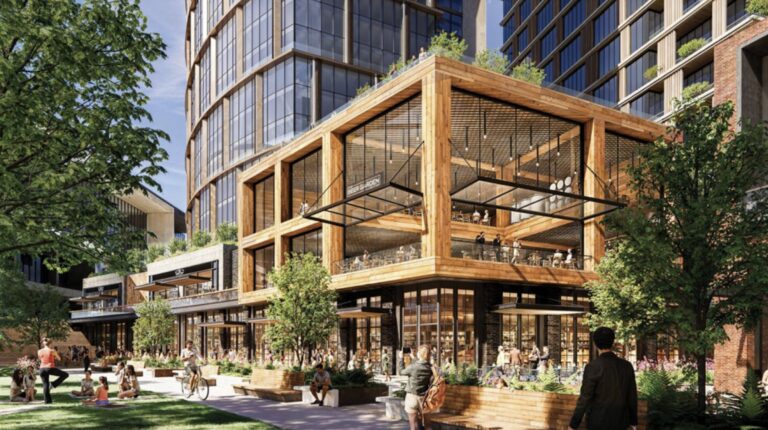
The longer arc is bigger than this single building. Fallon’s full Eastpoint plan covers a minimum of five residential buildings, three hotels, retail, restaurants, and green space. It spans 30 acres surrounding the stadium and the Tennessee Performing Arts Center’s future home. The next two projects on the list are a 600-room hotel adjacent to the new stadium and a residential tower. The full 550-acre East Bank neighborhood will be rebuilt over decades, not years. Watch WSMV’s coverage of the Eastpoint Flats groundbreaking ceremony.
Why Eastpoint Flats Matters for the East Bank’s Long Arc
In most Nashville-scale stadium districts, affordable housing arrives last. By then the luxury condos, hotels, and entertainment district have already priced longtime residents out of the neighborhood. Fallon and Metro deliberately inverted that pattern by putting affordable housing first on Metro-owned land. The decision sets a price-mix precedent. Every later Eastpoint developer now has to propose against that baseline. That has implications well beyond the 323 units themselves.
For the investor clients I talk to about the broader East Bank thesis, the project also locks in development pace. Utilities are in. Vertical construction has started. The next domino is the 600-room hotel adjacent to the stadium. That is also Fallon’s project. It becomes increasingly time-pressured as Super Bowl LXIV in 2030 approaches. Every adjacent submarket I cover will feel the East Bank build-out. That includes downtown Nashville condos across the river. It includes established buildings like Twelve Twelve in The Gulch. It includes East Nashville homes north of the project. And it includes the Nashville Airbnb investment market as a hotel-heavy submarket finally gets supply. Anyone tracking the Super Bowl 2030 thesis should treat this groundbreaking as the calendar event that says construction risk is now behind us on at least one parcel.
3. Metro Planning Department Eyes Air Rights Program in 3,000-Acre Downtown Revamp
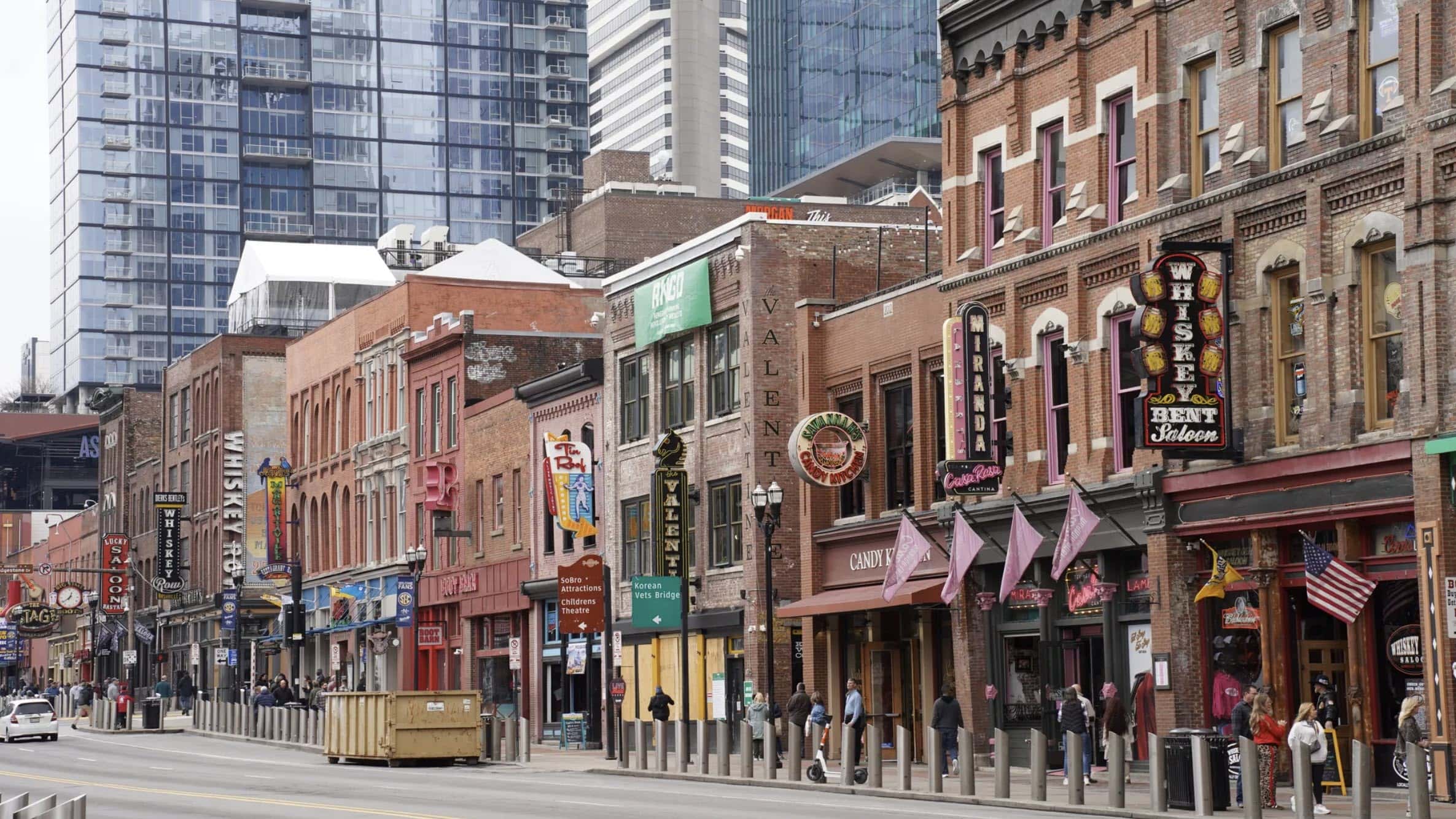
This story will not show up in your news feed because it lacks confetti and a groundbreaking shovel. But I think it is the most consequential of the three for the next decade of Nashville development. Metro Nashville’s Planning Department has been in listening mode since launching its Design and Development Strategy a few months ago. The initiative covers just under 3,000 acres across downtown, the East Bank, Music Row, and Midtown. It is the first comprehensive refresh since the Downtown Code was adopted more than fifteen years ago. After a decade in which Nashville’s urban-core residential population grew 250 percent, the values have shifted.
The single most consequential tool the department is considering is a transferrable development rights program. That is the formal mechanism behind what most developers I work with simply call air rights. Under such a program, the owner of a historic or under-built parcel can sell the unused development potential on their site. A developer who wants to build at higher density buys those rights and applies them to a different parcel in an approved area. A conservation easement typically restricts the sending parcel from future development. New York, Chicago, and Boston run versions of this. Nashville has dabbled. Paseo South Gulch used a similar mechanism on a project-specific basis. A formal program would put the tool in front of every downtown developer at once.
“Fifteen years ago, we were incentivizing a lot of parking,” Lucy Kempf, Executive Director of the Planning Department, said in the program’s official launch coverage. “Now we are saying today that we want more environmental and resilient designs that include open space. So the values are a little bit different.” The first phase wraps with the current community-input round. Phase two kicks off in the fall with drafted policy and regulatory scenarios. Phase three is where the changes actually land. That phase covers updates to zoning, building codes, design guidelines, development review processes, and incentive programs. Read Metro Nashville Planning Department’s official Design and Development Strategy launch.
Why Air Rights Matter for Downtown Nashville Condo Buyers
An air rights program does not sound like a consumer-facing story. But it changes the economics of every Nashville new construction condo project that follows it. Today, the maximum buildable height on a downtown parcel is set by zoning, full stop. A transferrable-development-rights regime separates the land from the development potential. A 100-foot historic building on a parcel zoned for 500 feet can sell its 400 feet of unused vertical potential. The buyer is a developer who wants to add density elsewhere. The receiving parcel can build taller and denser than its base zoning would have allowed. That single change reshapes every land deal underwriting model I review with developer clients.
For buyers in the luxury high-rise condo market, this means future towers can pencil at heights current zoning would not support. That expands the buildable unit count per project and potentially moderates per-unit land cost. For owners of existing high-rises like Icon in the Gulch, it concentrates new supply on receiving parcels already planned for height. Mid-rise infill scatters less across previously low-density blocks. For developers, it adds a new line item to underwriting. The cost or revenue of air rights traded into or out of the deal now matters. The fall phase-two scenarios will reveal which downtown blocks Metro intends to designate as sending versus receiving. That geographic map is the part I will be tracking most closely for the rest of the year.
Bonus Insight: Thunderbird Social Club Takes Over the Former Barista Parlor Space in Germantown
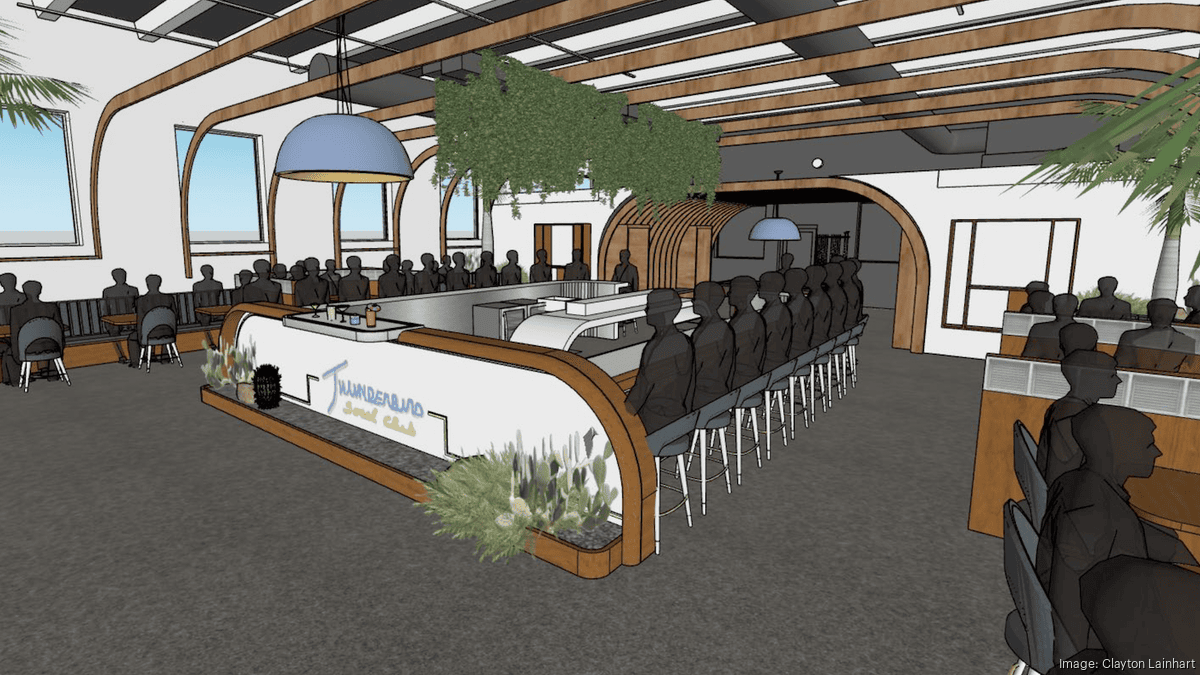
Thunderbird Social Club filed a permit May 28, 2026 to open at 1230 Fourth Avenue North, the former Barista Parlor space in Germantown.
A permit filed with Metro on May 28 confirms that Thunderbird Social Club will open at 1230 Fourth Avenue North in Germantown. It takes over the building Barista Parlor occupied from 2015 until shuttering three Nashville locations this January. Plans show a central bar as the focal point. Banquettes line the wall. Wooden archways and greenery frame the space. A pool table sits tucked in the back. Construction cost is listed at $175,000. Clayton Lainhart, founder of Nashville firm Bevel, is the project’s point of contact.
The opening adds to a deepening Germantown food-and-beverage pipeline. That pipeline already includes Demure Cocktail Lounge, Slide Hustle on 3rd, and Terry Black’s Barbecue. The hospitality density is part of what continues to pull buyers into the neighborhood. That includes the second-home and bi-coastal buyers I have been working with at Hanover Germantown townhomes a few blocks away. The Barista Parlor closure read as a Germantown loss in January. The Thunderbird permit reads as confirmation that the neighborhood’s restaurant economy is still expanding under different ownership.
Nashville Real Estate Market Outlook
Forward-Looking Signals to Watch Over the Next Ninety Days
The three stories together point to a market positioned for the next leg up. The macro inputs have to cooperate. Yun’s recovery thesis depends on mortgage rates moving sustainably below 6.5 percent. That itself depends on oil prices easing and broader inflation expectations resetting. The East Bank thesis depends on Fallon’s next two projects staying on schedule into 2027. Those are the 600-room hotel and the residential tower. The Planning Department thesis depends on phase two scenarios surfacing on time in the fall. They also need enough specificity for developer clients to start underwriting against the new rules.
Here is what I am watching:
- Weekly mortgage rate movement, particularly any sustained run below 6.5 percent
- Greater Nashville Realtors monthly closings reports, watching for single-family year over year to turn positive
- Fallon Co. permit filings on the 600-room hotel and residential tower
- Metro Planning Department’s fall release of phase-two policy scenarios, especially the air rights sending and receiving zone map
- Germantown small-business permit cadence as a leading indicator of neighborhood momentum
What This Means for Buyers, Sellers, and Investors
If you are buying: the pent-up demand Yun is describing is real. Rate-driven competition can intensify within weeks of a sustained rate drop. When your transaction math works at 6.5 percent, I would lock now and refinance later. When the math requires sub-6 percent, set rate alerts and have financing pre-approved. You have to be ready to move inside a 48-hour window once the trigger hits.
For sellers: April set new median price highs across Nashville. You have likely been holding for a stronger seller’s market. The multiyear recovery thesis says the next twelve months are likely your best window of the cycle. Conditions are improving, but they are not yet at peak competition. Pricing right is going to matter more than waiting.
On the investor side: East Bank, Music Row, and Midtown are the three submarkets Metro is about to rewrite the rules for. Land-banking strategies built on the current Downtown Code are at risk of being repriced when the new framework lands in 2027. Air rights as a tradable asset is a new line on the underwriting model for every downtown project going forward. Anyone sitting on a historic or under-built parcel inside the 3,000-acre footprint should start the air rights conversation now.
FAQ: Nashville Real Estate Stories This Week
What did NAR Chief Economist Lawrence Yun say about Nashville’s housing market?
Yun told the Greater Nashville Realtors 2026 Nashonomics event that Nashville has become “almost as expensive as some of the so-called superstar cities, New York City, San Francisco and other major cities.” Median single-family prices reached roughly $500,000 in April. That is up from $350,000 in April 2020. He revised his 2026 mortgage rate forecast from 6 percent to 6.5 percent. He also walked his 2026 home sales growth forecast down from 14 percent to 4 percent. Despite both revisions, he maintained that the market is “at the beginning of a multiyear recovery” because of pent-up buyer demand.
When will Fallon Co.’s East Bank development be complete?
The full Eastpoint vision will take decades to build out. Eastpoint Flats is the first vertical project. That 323-unit affordable housing project broke ground May 28, 2026. Completion is targeted for 2029. Fallon’s announced next two projects are a 600-room hotel adjacent to the new Titans stadium and a residential tower. The complete Eastpoint plan includes a minimum of five residential buildings, three hotels, retail, restaurants, and green space across 30 acres. The broader 550-acre East Bank neighborhood will be transformed over decades.
What is a transferrable development rights program?
A transferrable development rights program lets the owner of an under-built or historic property sell their unused development potential. That potential is often called “air rights.” The buyer is a developer who wants to build at higher density on a different parcel in an approved area. The sending parcel typically receives a conservation easement restricting future development. New York City, Chicago, and Boston use versions of this tool. Nashville has used similar mechanisms on individual projects like Paseo South Gulch. Metro’s Planning Department is now considering a formal program as part of the Design and Development Strategy.
Where is Thunderbird Social Club opening in Germantown?
Thunderbird Social Club filed a permit with Metro on May 28. The new bar will open at 1230 Fourth Avenue North. It takes over the building Barista Parlor occupied from 2015 until January 2026. The space will be reconfigured around a central bar with banquette seating, wooden archways, greenery, and a pool table. Construction cost is listed at $175,000. Clayton Lainhart, founder of Nashville firm Bevel, is the point of contact for the project.
What links these three Nashville real estate stories together?
All three describe Nashville at an inflection point. Yun is calling the end of a three-year housing stall and the start of a multiyear recovery on the macro side. Fallon’s East Bank groundbreaking is putting actual vertical construction next to the new Titans stadium on the local-development side. The Planning Department’s downtown revamp is rewriting the regulatory framework that every future downtown project will operate inside. Macro recovery plus visible new construction plus a new development rulebook is the combination that resets a market for the next decade. From where I sit, that is the through-line worth tracking week to week.
Forward-Looking Statement Disclosure
This post discusses forward-looking economic conditions, market forecasts, and development timelines. Those projections are based on currently available information and the stated opinions of named industry economists and developers. Future market conditions, mortgage rates, home prices, project completion timelines, and policy outcomes may differ materially from the projections discussed. Buyers, sellers, and investors should consult with their own licensed real estate, mortgage, legal, and tax professionals before making decisions based on the information presented here.