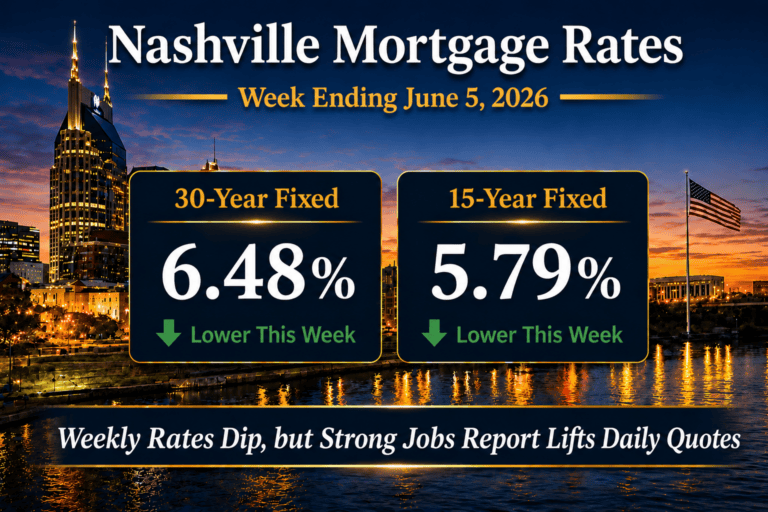
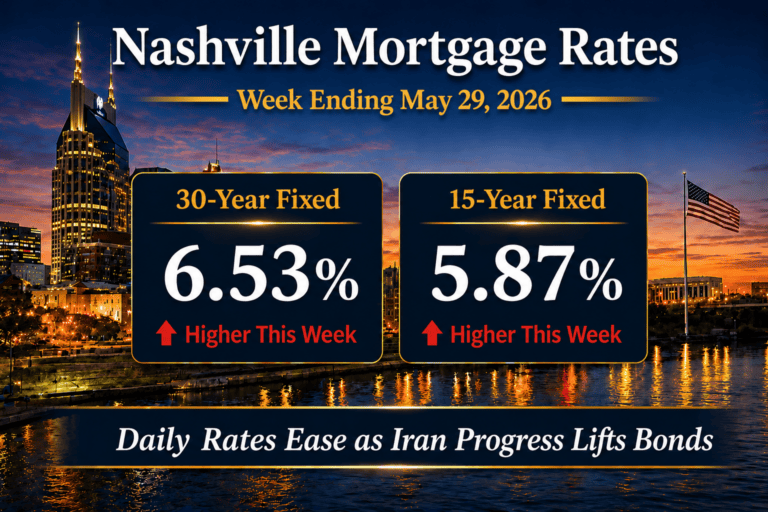
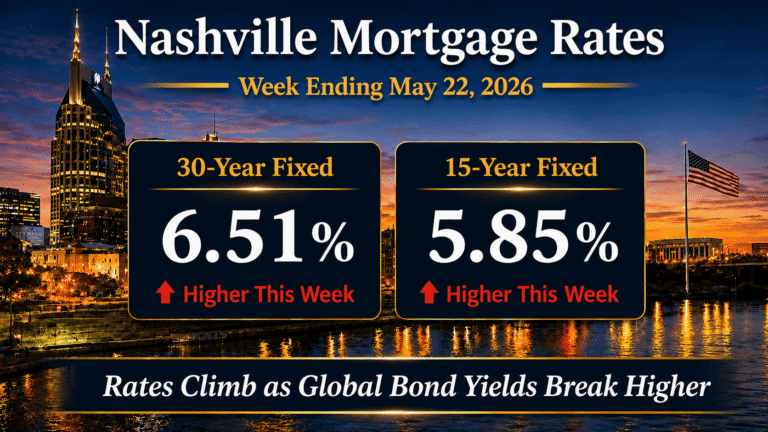
Freddie Mac reported that the 30 year fixed mortgage rate increased to 6.73%, up from 6.63% the previous week. The 15 year fixed mortgage edged higher to 6.39%, while the five year adjustable rate rose to 6.35%. The one year ARM held steady at 5.71%.
Historical Context
This article was originally published during the mid 2000s housing cycle transition. The figures below reflect national mortgage, labor, and credit conditions during that period.
Consumer Credit Growth and Borrowing Costs
Mortgage rates moved higher following a positive June jobs report and an increase in consumer credit during May. Expanding consumer credit can signal stronger spending and broader economic momentum.
When markets interpret credit growth and employment gains as signs of continued economic strength, expectations for tighter monetary conditions often rise. These expectations can push Treasury yields upward, which typically leads to higher mortgage pricing.
For a broader explanation of how credit markets and economic data influence financing costs, review our Nashville mortgage rates today page.
Rate Plateau Expectations
Freddie Mac’s chief economist suggested that mortgage rates might remain near these levels through the remainder of the year. Rate plateaus often occur when markets believe inflation risks and economic growth are balanced.
In transitional housing periods, stable but elevated rates can influence buyer timing decisions without triggering abrupt shifts in pricing. Longer term direction depends on inflation trends, bond market demand, and credit conditions.