During the 2009 downturn, distressed inventory began to surface across several high-profile condo developments in Nashville.
Short sales and foreclosures in urban buildings provided a clear look at how pricing, financing, and risk were shifting in the condo market.
Distressed Activity in Major Condo Buildings
Early signs of distress appeared in some of Nashville’s most recognized developments.
At Icon in the Gulch, a short sale listing reflected a meaningful price adjustment from its original purchase, highlighting how even newer developments were not immune to market pressure.

Similarly, activity at Encore Nashville showed additional distressed listings, with pricing discounts becoming more common as sellers and lenders sought to exit positions.

Pricing Dislocation and Buyer Opportunity
Distressed sales often reset pricing benchmarks.
Units that had recently sold near peak values were now being offered at significantly lower prices. These discounts created opportunities for buyers willing to navigate more complex transactions such as short sales.
However, pricing alone did not determine the quality of the opportunity. Factors such as building absorption, ownership structure, and long-term demand played a critical role.
Financing Challenges in Distressed Properties
Access to financing became a key constraint.
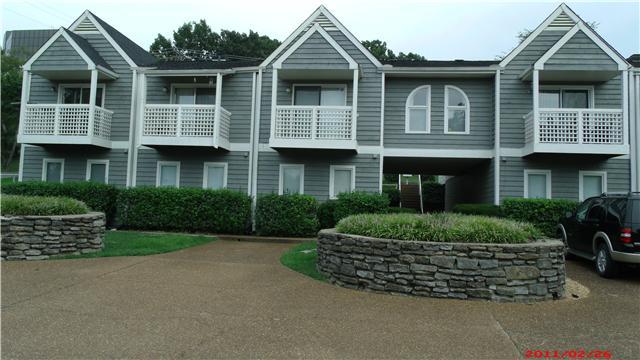
At Bristol West End Nashville, lenders were reportedly reluctant to finance purchases due to a high concentration of rental units. This limitation significantly reduced the pool of eligible buyers.
In these situations, transactions often required:
- Cash buyers
- Long-term investment strategies
- Greater tolerance for uncertainty
Risk and Complexity in Short Sales
Distressed transactions introduced additional layers of complexity.
Short sales required lender approval, extended timelines, and careful negotiation. Buyers needed to evaluate not only the property itself but also the financial condition of the seller and lender involvement.
What This Reveals About the Market
The emergence of distressed inventory signaled a transitional phase.
As prices adjusted and financing tightened, opportunities began to appear, but they required a more sophisticated approach to underwriting and execution.
Historical Context
This reflects 2009 conditions, when foreclosures and short sales became more visible across urban condo markets.
While distress created buying opportunities, it also introduced financing constraints and increased transaction risk.
Why This Still Matters
Distressed inventory often appears during periods of market correction.
Understanding how pricing, financing, and building fundamentals interact is essential for identifying opportunities that can perform well over time.
For a broader look at distressed inventory trends and investment strategy, explore Nashville real estate market analysis.

February 19, 2010, 1:44 pm
Jeez! We had a deal on that same floorplan last sumer on a double-digit floor with 2 parking spaces for under 300K. we couldn't get our house sold in time to make it happen. it still hurts thinking about it because that was one heck of deal, especially in light of this posting.
March 21, 2010, 9:06 pm
April 15, 2010, 8:48 am
Nashville can be a good place to investment if you search well properties and know how to deal
April 15, 2010, 1:48 pm
Nashville can be a good place to investment if you search well properties and know how to deal
June 8, 2010, 4:29 am
I have recently been looking for a house that my boyfriend and I will share. It just really freaks me out how hard is has become to qualify. I have great credit, and have some money put away in the bank and still, that’s not enough. We’ll see what happens.. I’m so scared.