The 2009 housing downturn began to impact large-scale condo developments across Nashville.
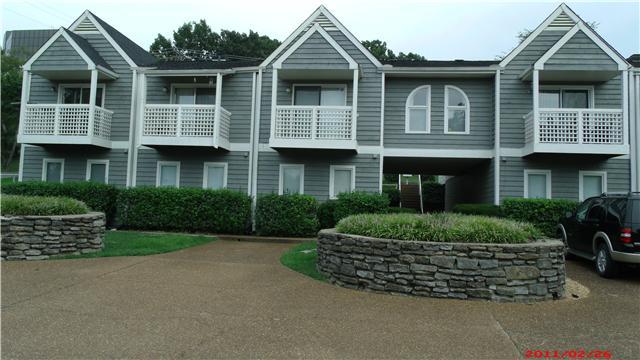
An article from The Tennessean reported that the Fifth & Main condo project in East Nashville was placed into receivership after falling behind on more than $29 million in debt.
What Led to Receivership
The project struggled to convert interest into closed sales.
Out of approximately 130 units, only a small number of contracts ultimately closed. As lending conditions tightened and buyer demand weakened, many initial buyers were unable or unwilling to complete their purchases.
The Role of Credit Markets
Financing conditions played a central role in the outcome.
As credit markets tightened in 2008 and 2009, both buyers and developers faced increasing constraints. Buyers found it more difficult to secure mortgages, while developers faced pressure from lenders as sales slowed and carrying costs increased.
The lender, Wachovia, moved to protect its position by seeking court-appointed control of the property through receivership.
What Receivership Means for a Development
Receivership is a legal process designed to stabilize distressed assets.
A court-appointed receiver assumes control of the property, evaluates its condition, and determines the best strategy for maximizing value. This can include selling individual units, leasing portions of the property, or marketing the project as a whole.
Broader Implications for the Condo Market
Fifth & Main was not an isolated case.
Many condo developments launched during the peak years faced similar challenges as market conditions shifted. Projects that relied heavily on pre-construction sales were particularly vulnerable when buyers withdrew and financing tightened.
Potential Path Forward
Even distressed developments can re-enter the market.
In some cases, projects emerging from receivership are repositioned with new pricing strategies, leasing options, or revised sales approaches. This can allow the asset to stabilize over time, depending on market conditions.
Historical Context
This reflects conditions during early 2009, when the housing and credit markets were under significant pressure.
Large-scale developments, especially in the condo sector, were among the most exposed to shifts in financing and buyer demand. Receiverships became more common as lenders worked to manage distressed assets.
Why This Still Matters
Development risk is closely tied to market timing and financing conditions.
Projects that depend on strong pre-sales and accessible credit can be vulnerable during downturns. Understanding these dynamics is essential when evaluating both new construction and investment opportunities.
For a broader look at distressed properties and how they impact pricing and supply, explore Nashville foreclosures and REO trends.

August 7, 2009, 6:42 am
August 8, 2009, 4:05 pm
August 9, 2009, 11:11 am
September 18, 2009, 4:27 pm
April 13, 2010, 6:37 pm